🧱 Japanese stones and typography
Editorial note:
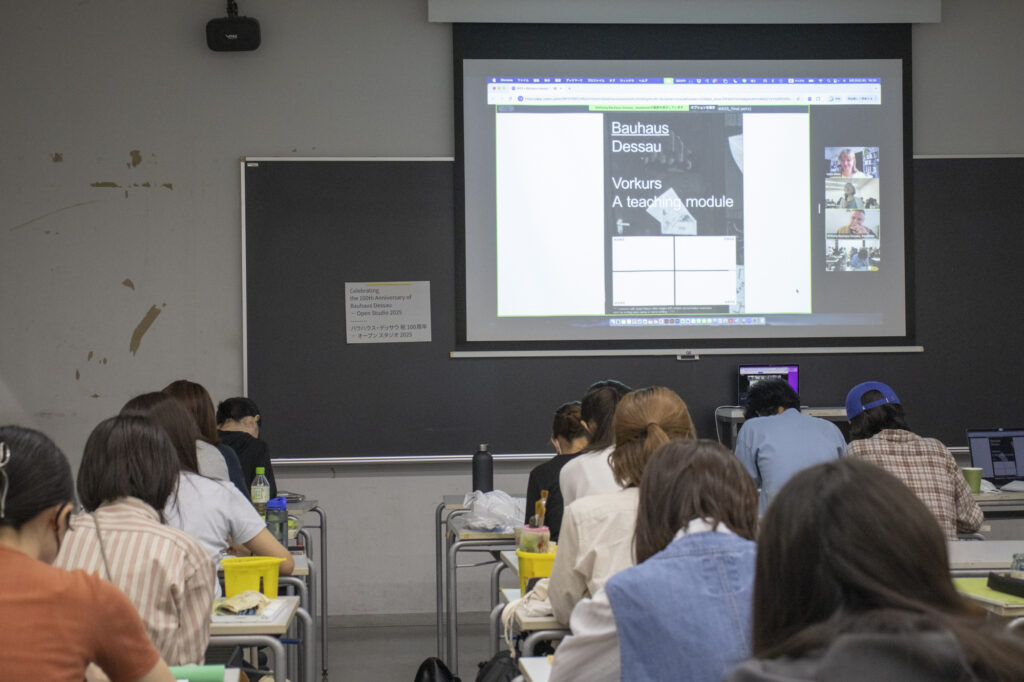
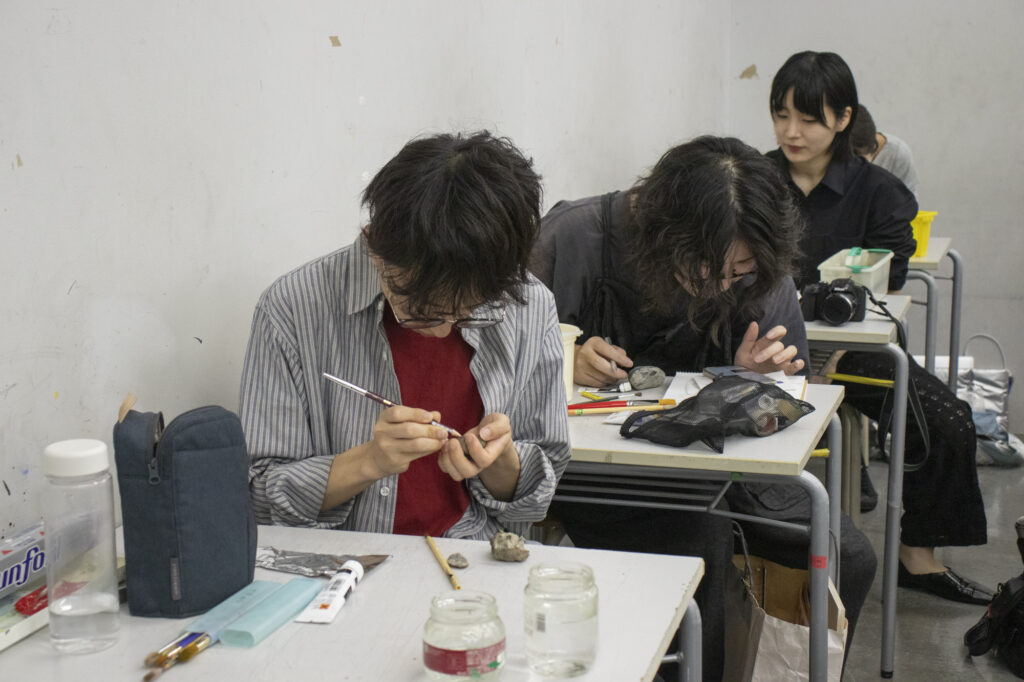
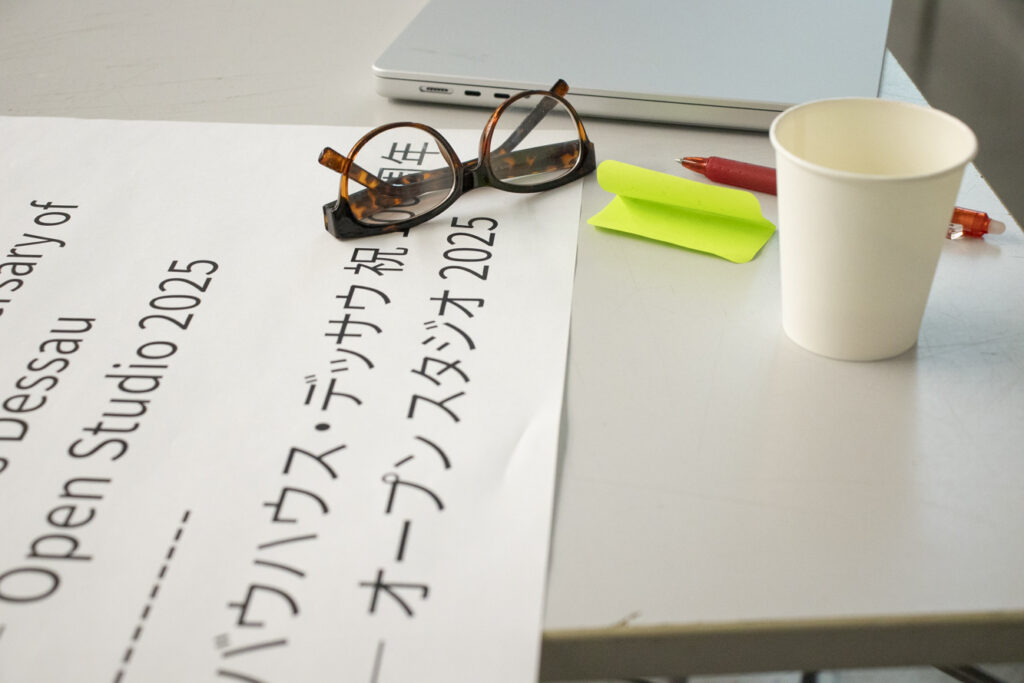
Stones and typography define the digital Bauhaus Open Studios of the Kuwasawa Design Institute in Tokyo. This work has been created in the context of the Bauhaus Open Studios programme with students from the Kuwasawa Design Institute (studio directors: Asuka Kawabata and Aki Toyossima in September 2025. During the workshop, students explore typography through unconventional, experimental approaches and develop new media and forms of expression for Japanese and Latin letters—for example, portable, kinetic, or even invisible typography.
The project is led by Katja Klaus and Philipp Sack from the Bauhaus Dessau Foundation, in collaboration with Asuka Kawabata and Aki Toyoshima from Kuwasawa Design School.

The Kuwasawa Design Institute celebrated its 70th anniversary in 2024 and has maintained close ties with the Bauhaus Dessau for decades. In 1954, Walter Gropius visited Kuwasawa and wrote in the guestbook: “Here I have found the true spirit of the Bauhaus.”

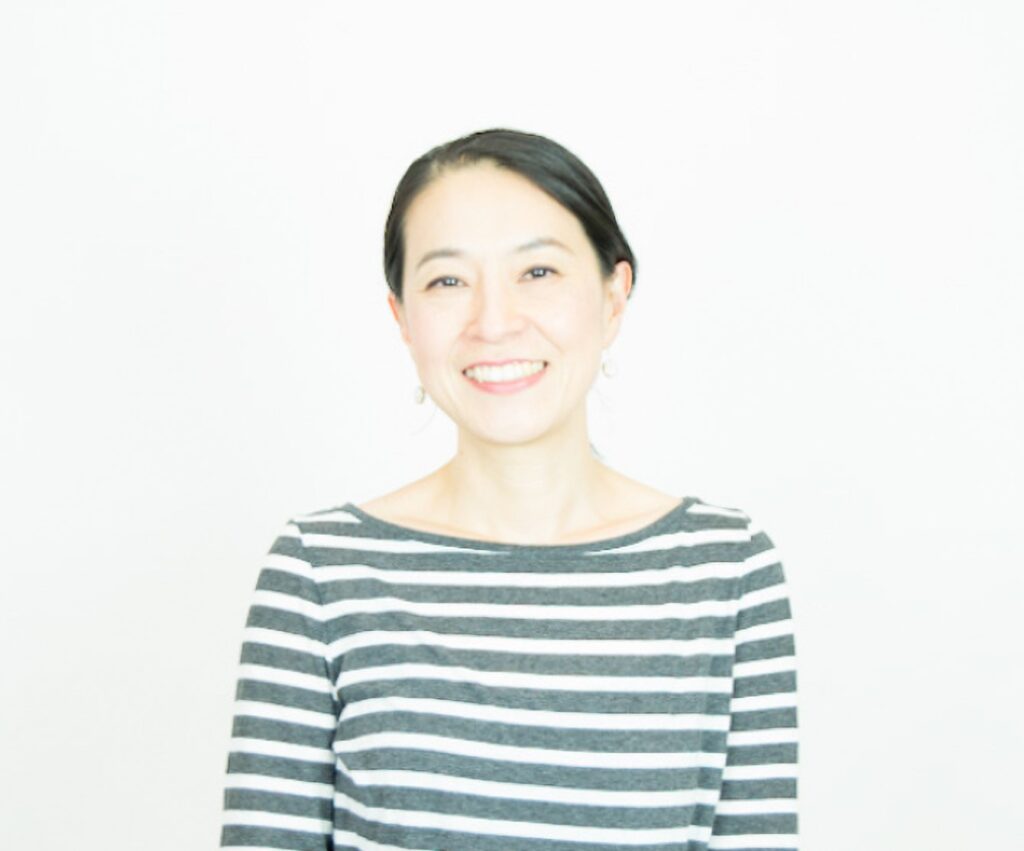
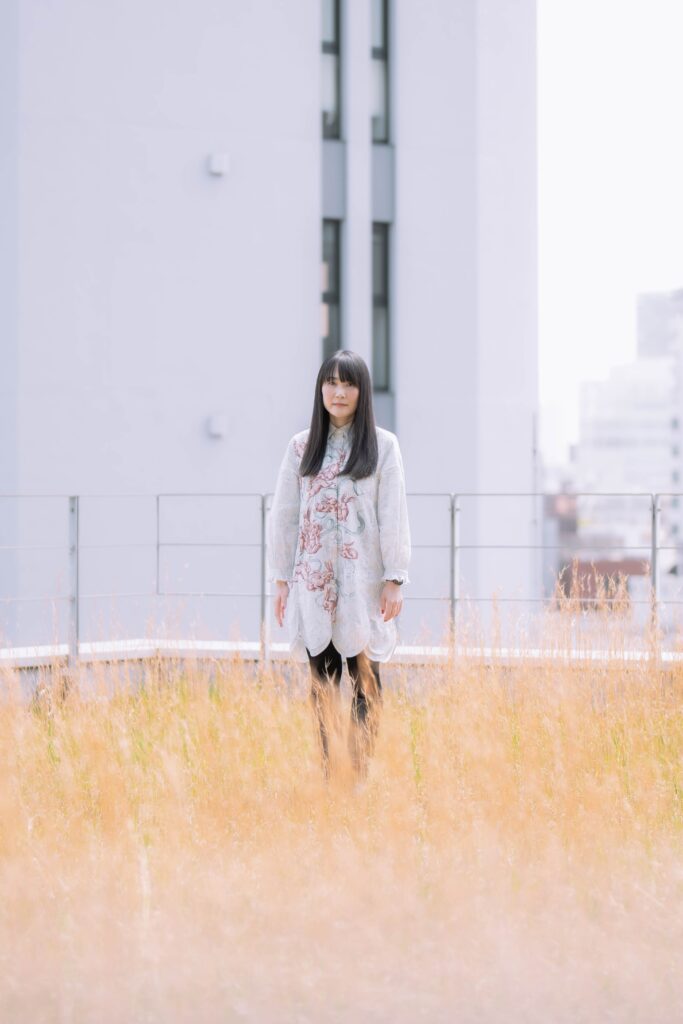
1) Historically speaking, your school has always had close ties to the Bauhaus. You have visited Dessau with many groups. Now that the school in Dessau has been in existence for 100 years, where do you see significant experiences and connections for your students?
Our school also celebrated its 70th anniversary in 2024. Back in 1954, Mr. Gropius visited Kuwasawa and wrote, “Here I have found genuine Bauhaus spirit.” Although both Germany and Japan have seen major changes in circumstances and design technologies since then, we continue to value the Bauhaus spirit and relationship built at our founding and to cherish the unchanging spirit of creativity.
2) What has been your experience with online teaching in recent years? How have your students responded to today’s digital offerings with the Digital Atlas?
During the COVID period, almost all classes were held online, so both students and faculty developed very little resistance to digital platforms. Building on that foundation, I believe it is very beneficial for students to be able to overcome physical distance and take part in collaborations or lectures with international partners.
3) What tasks or assignment did your students work on in the session?
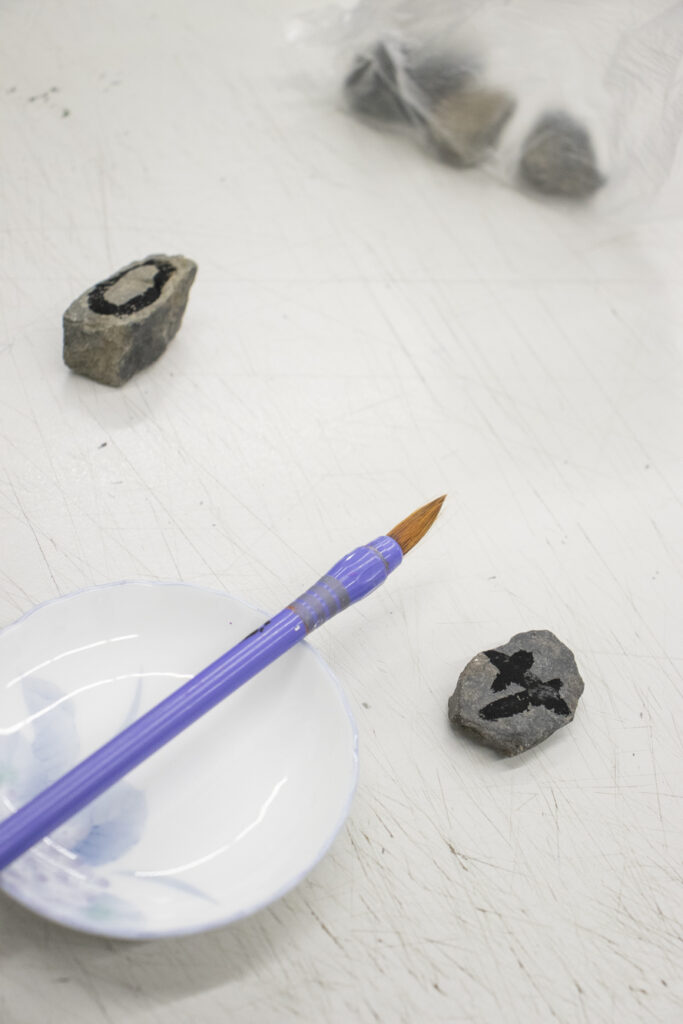
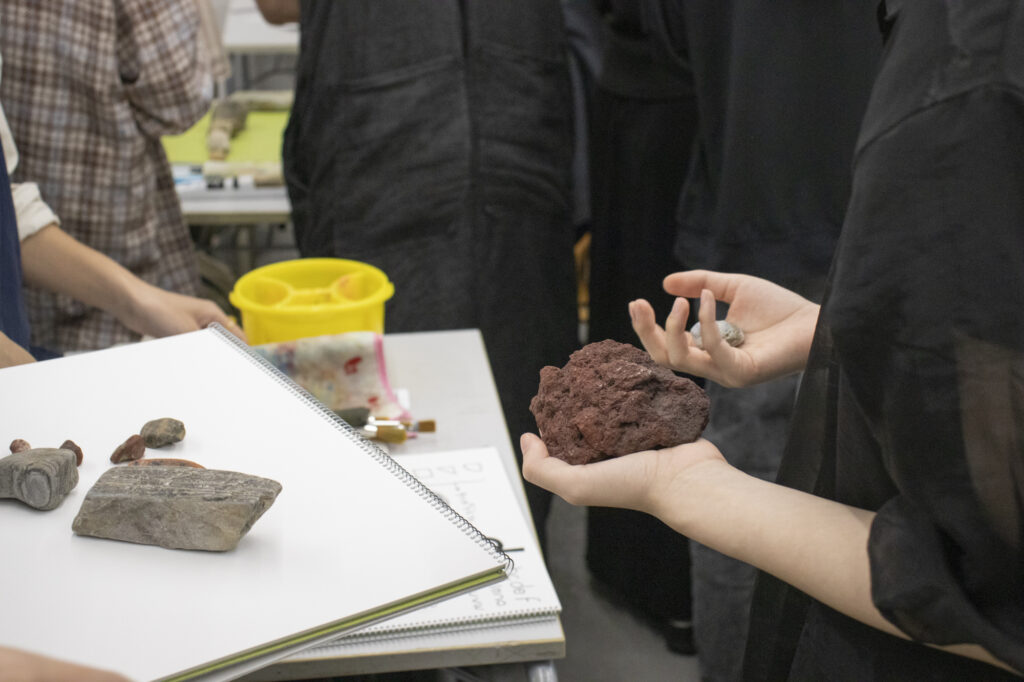
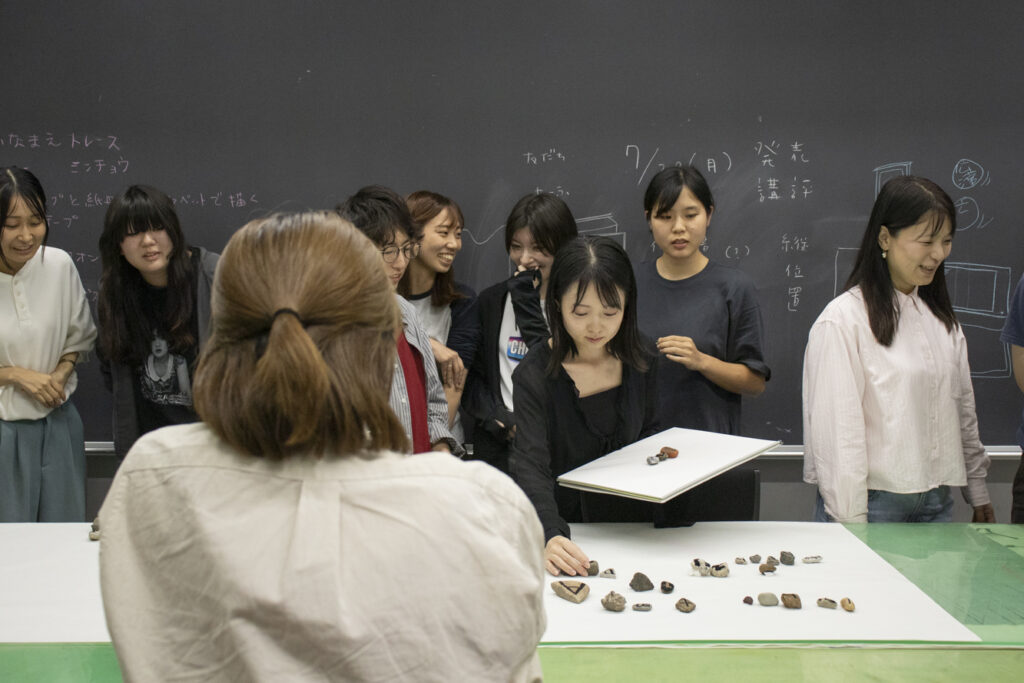
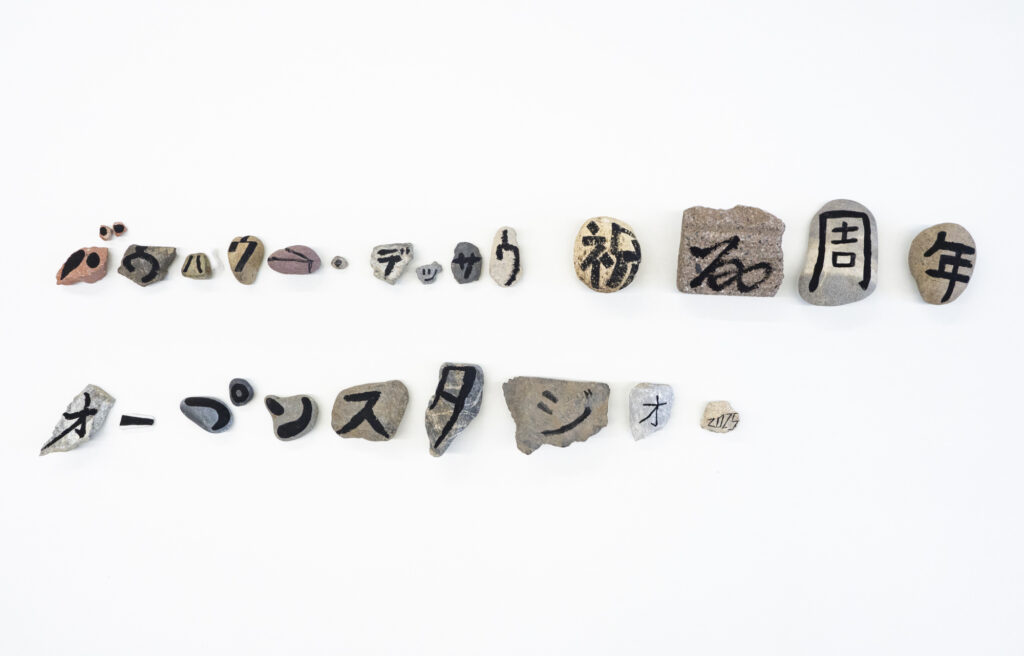
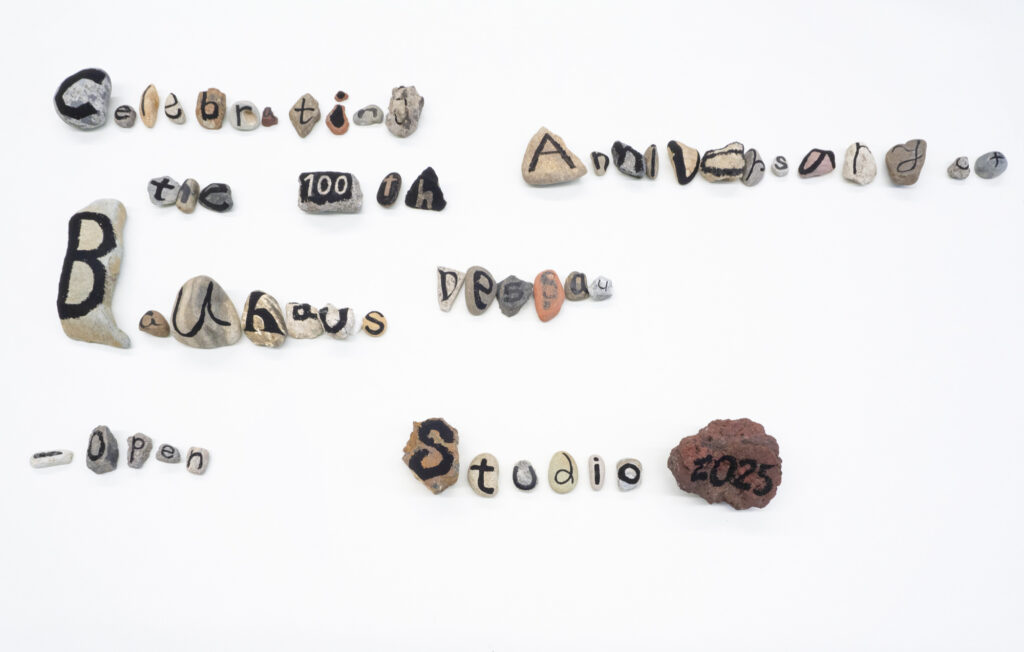
Students collect stones from the natural environment and, while carefully observing and exploring the complexity of their shapes and textures, each student inscribes a single character onto a stone. These hand-drawn, three-dimensional letters on three-dimensional objects are then photographed and converted into two-dimensional digital data.
4) How will you continue to work on this topic?
We are exploring typography through unconventional, experimental approaches, continuing to develop new media and modes of expression for both Japanese and Latin letters—for example, wearable, kinetic, or even invisible typography.
5) With the experiential knowledge of the last few years, how will teaching in the field of design and typography continue to change?
As AI continues to advance, human designers will likely be expected to pursue more distinctly human approaches to typography. Alongside functionality, this may involve exploring letterforms that sit on the edge of legibility, or shapes that evoke intriguing, indescribable sensations beyond words.
The questions were asked by Katja Klaus.