🔌 "We encourage students to be interested in life, not just art"
Editorial note:
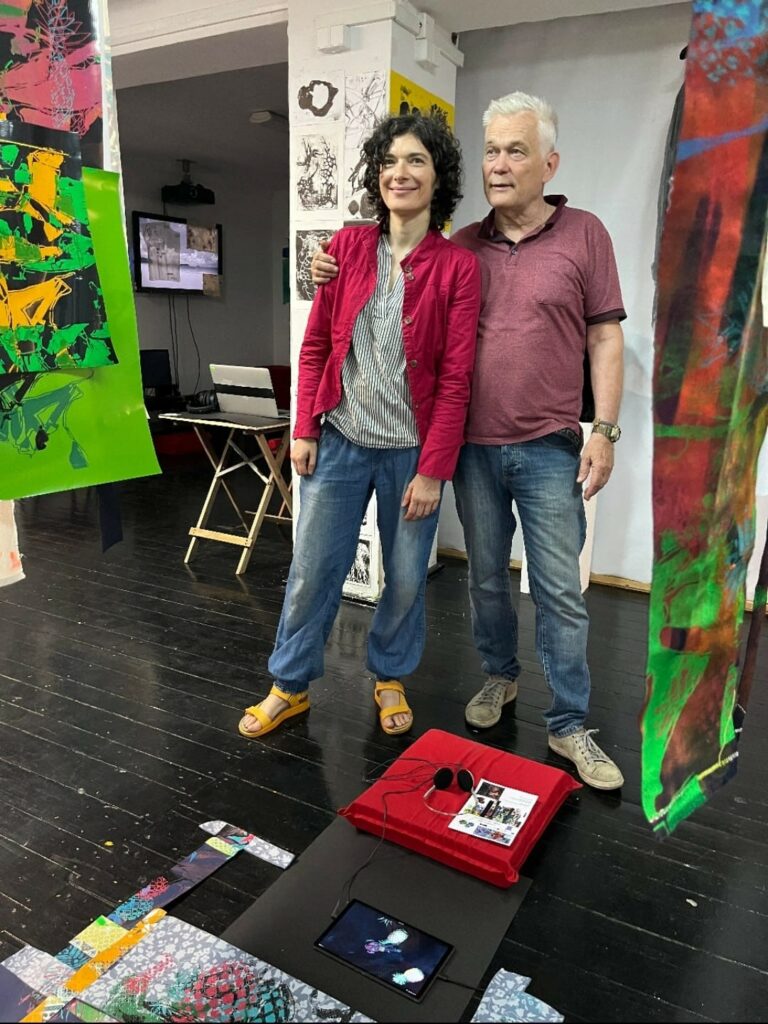
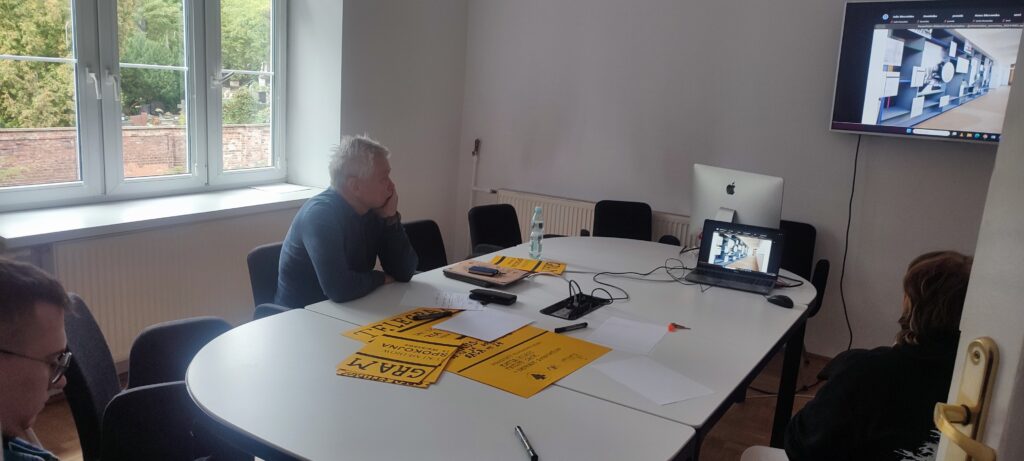
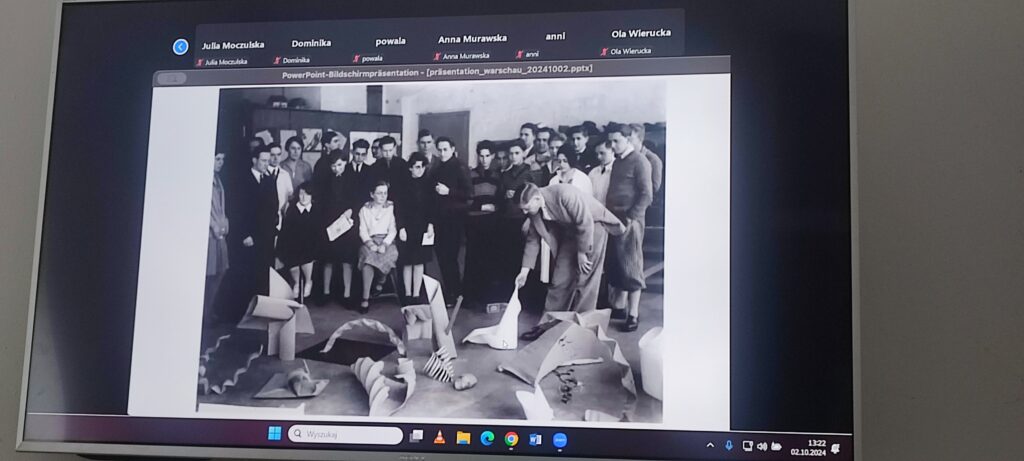
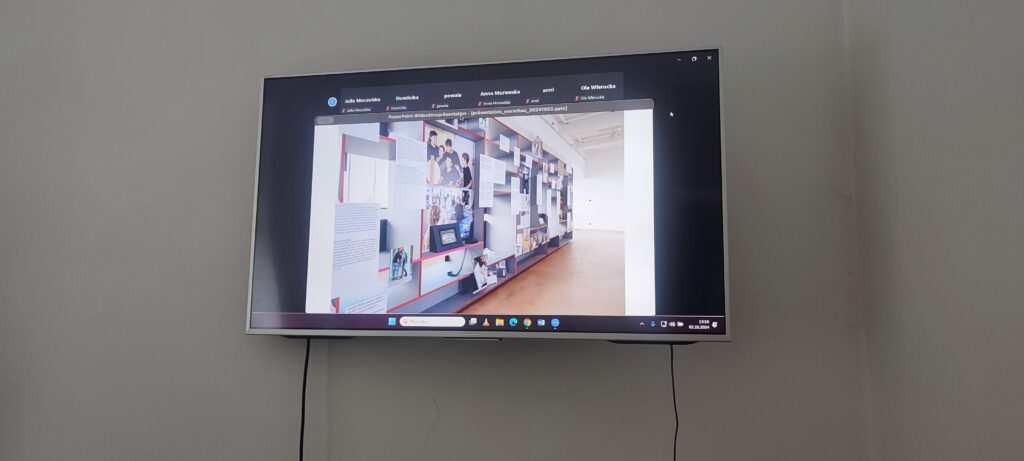
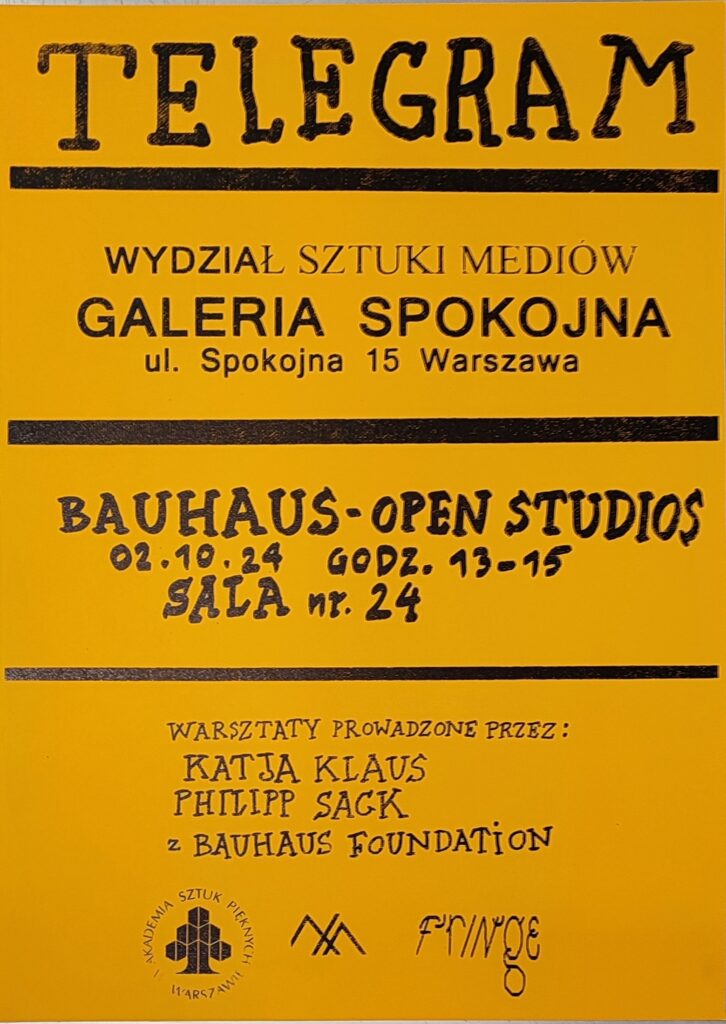
This work has been created in the context of the Bauhaus Open Studios programme with students from the Intermedia Communication Studio of the Academy of Fine Arts in Warsaw (studio directors: Prof. Krzyztof Olszewski and Dr Marta Kaweck-Smolinska) in autumn 2024. During the workshop, the students explored current and historical learning environments and curricula using their university as an example.
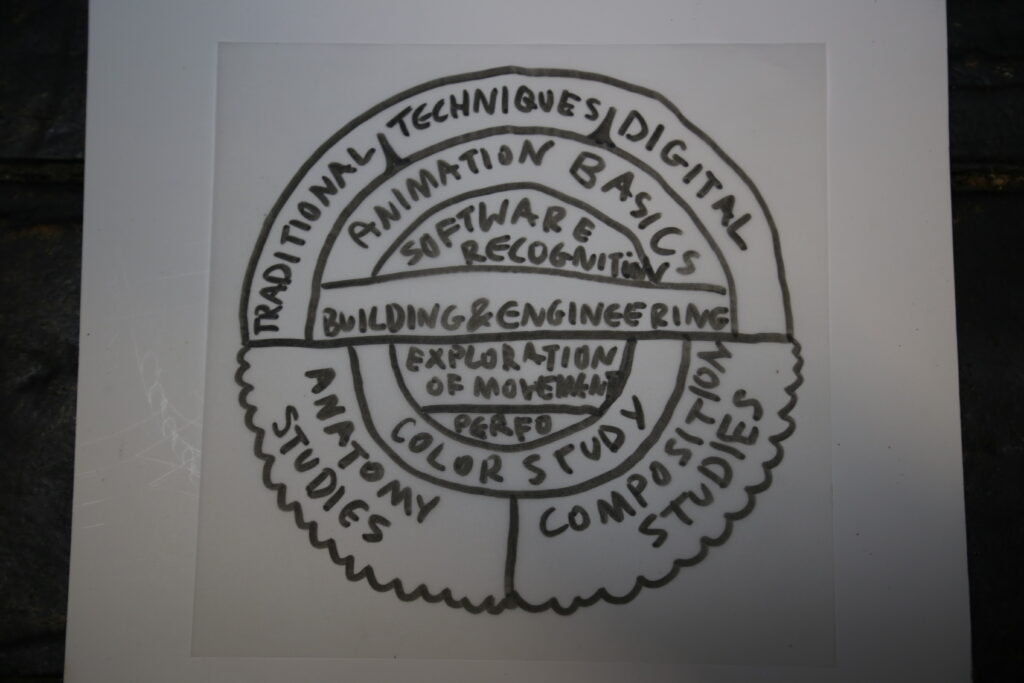
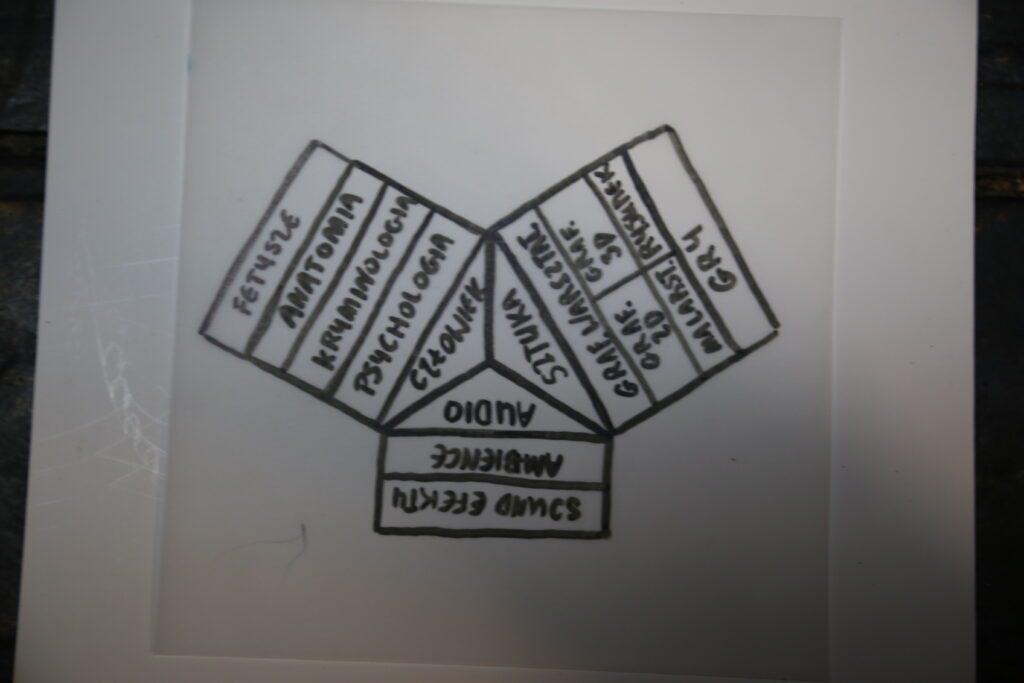
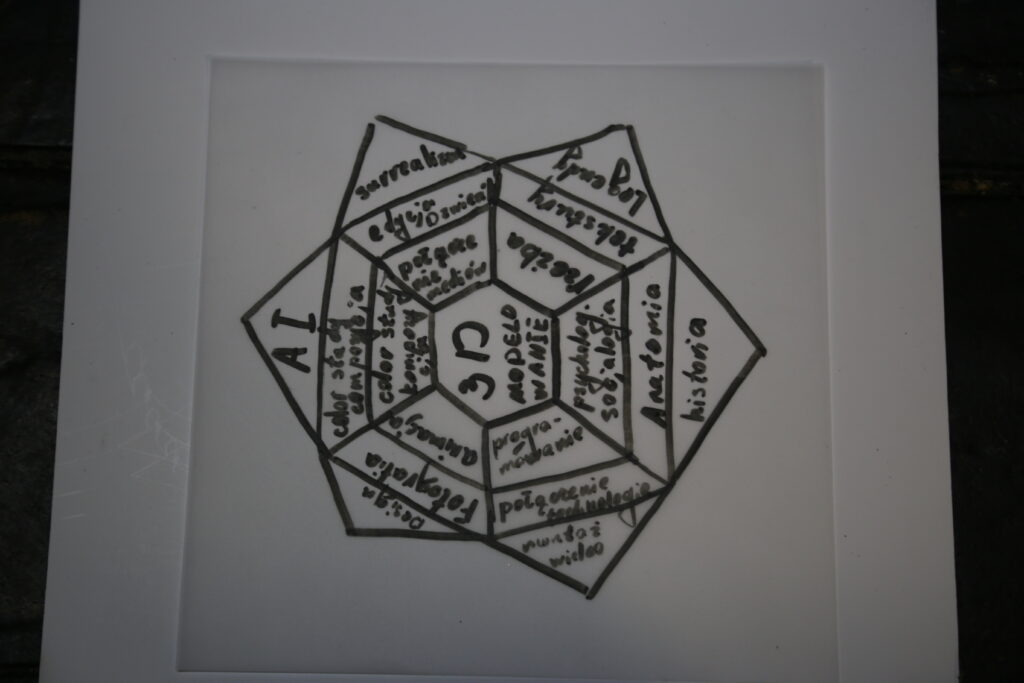
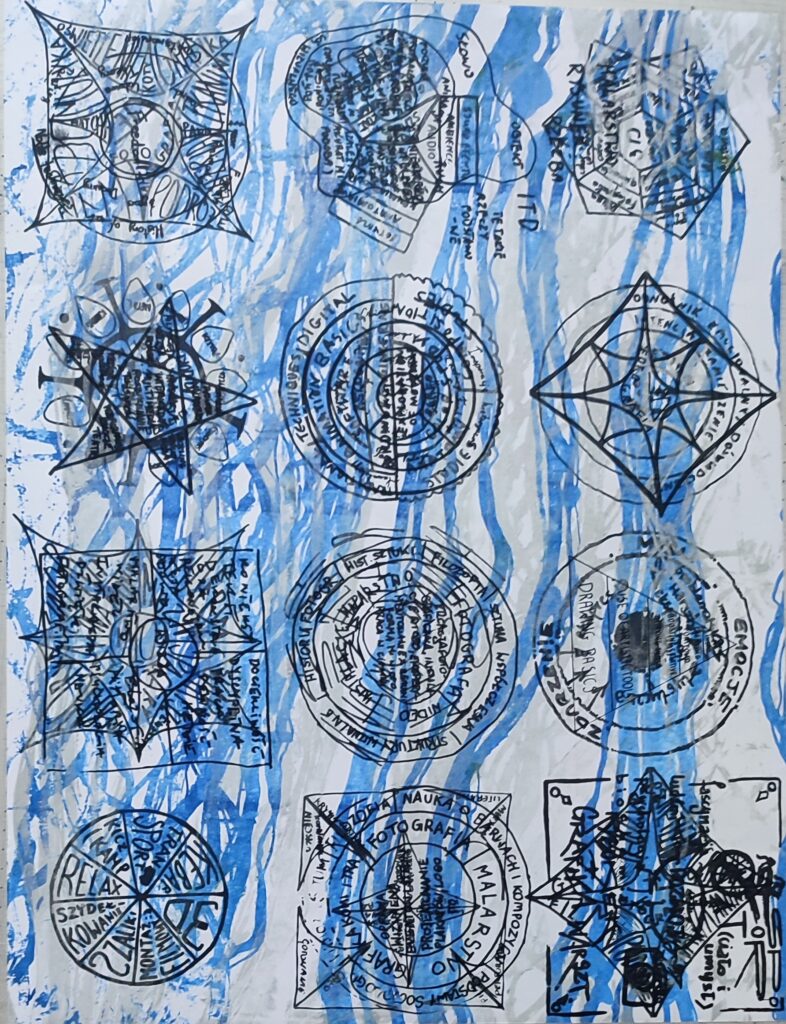
Five Questions to Prof. Krzyztof Olszewski and Dr. Marta Kaweck-Smolinska, Intermedia Communication Studio, Academy of Fine Arts in Warsaw
1. Since last year, we have been testing the new format of the Digital Atlas as part of the Bauhaus Open Studios. How did your students react to the offer?
The Digital Atlas is built in a graphic way, which fits very well with the way my students think. The structure of the page is flexible, and everyone can find their own connections. There is no strictly defined relationship between its elements. The structure, in my opinion, refers to the historical diagram that illustrates the educational process of the Bauhaus, which we also found very fitting.
2. What experiences have you had with online teaching in recent years?
Nothing can replace direct communication. Our studio is also a workshop studio where haptics and the experience of the process in this space are essential. Direct contact provides more freedom and brings more interpretative possibilities. It also gives us access to the individual stages of the process, allowing us to appreciate the artifacts that sometimes emerge along the way.
Of course, in some cases it is possible to communicate online. Last year we conducted a large part of a diploma project in this way as it had a significant theoretical component. We worked mainly through e-mail, expanding the presentation that also contained graphic elements and shaping the final form of the diploma in the process.
3. What tasks or assignments did your students work on during the session? And how will you continue to work on the topic at the Academy of Fine Arts in Warsaw?
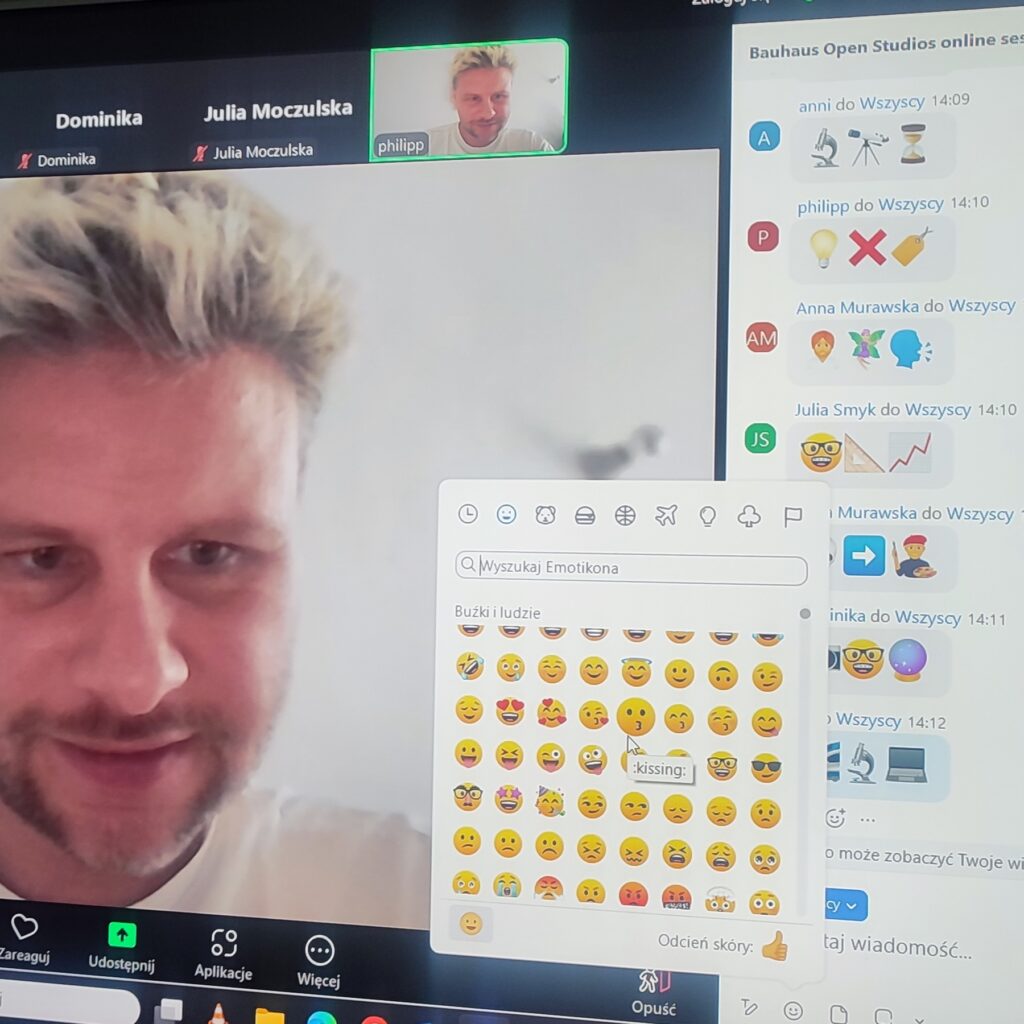
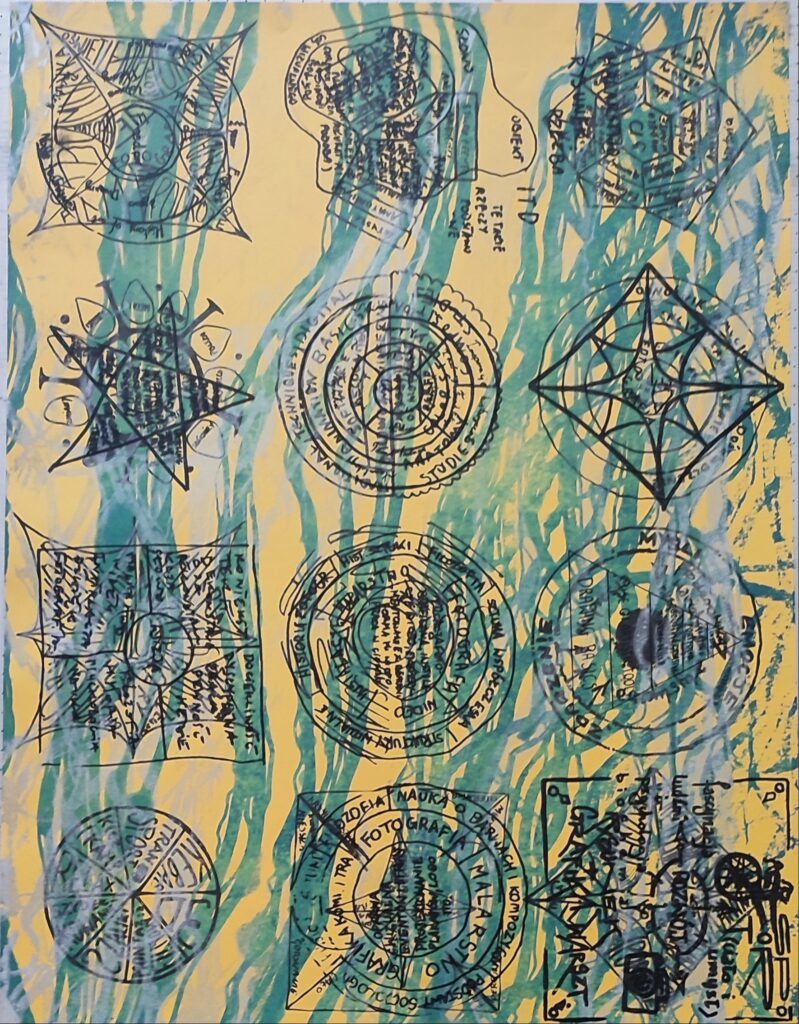
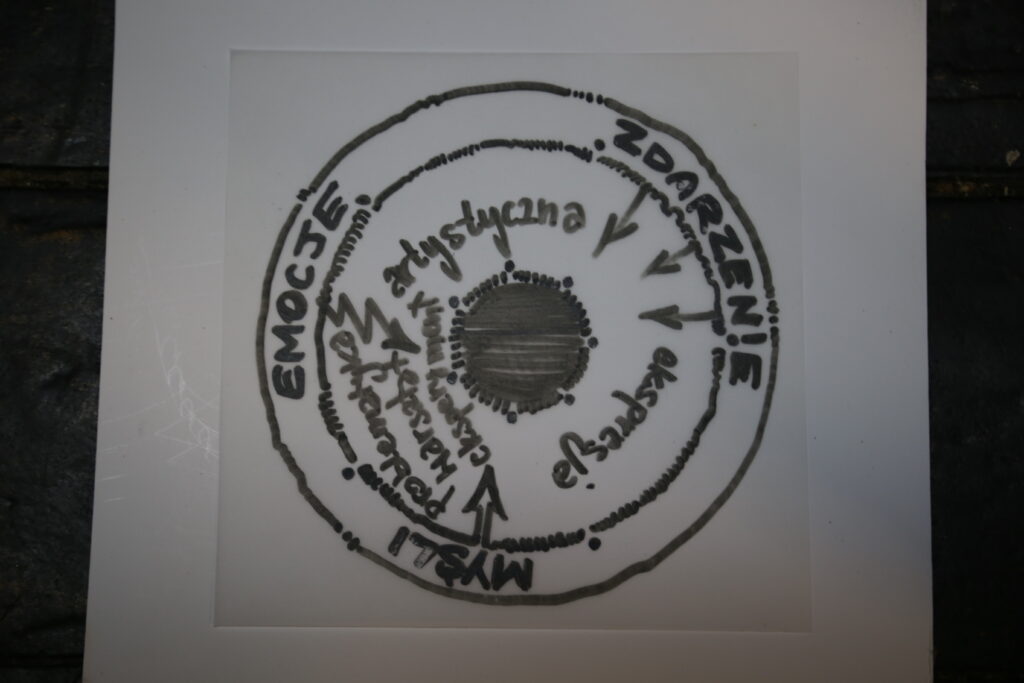
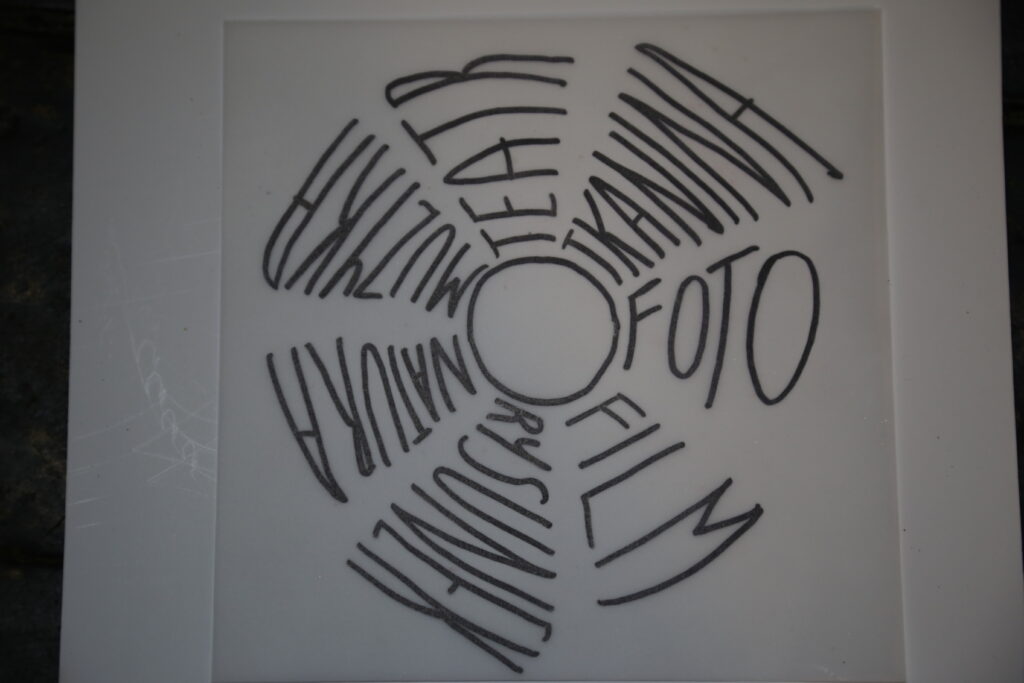
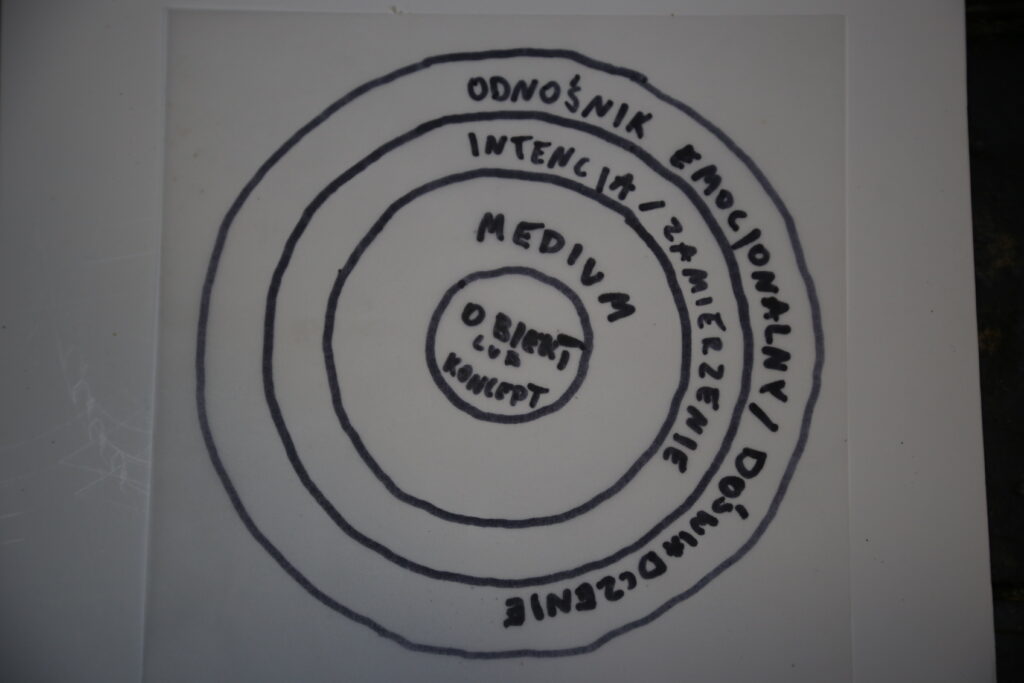
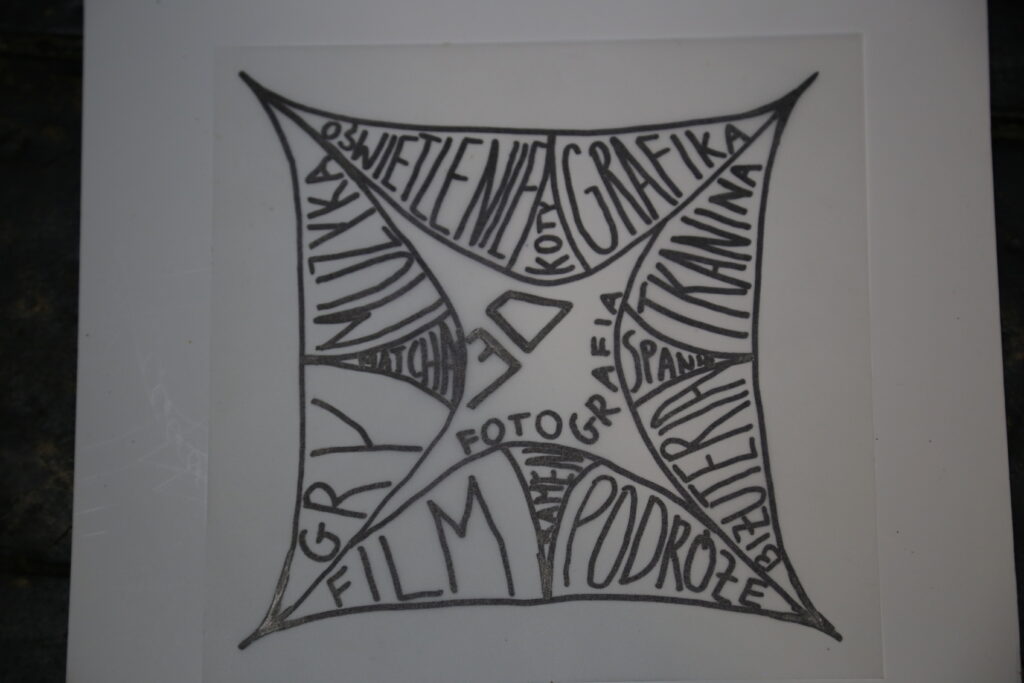
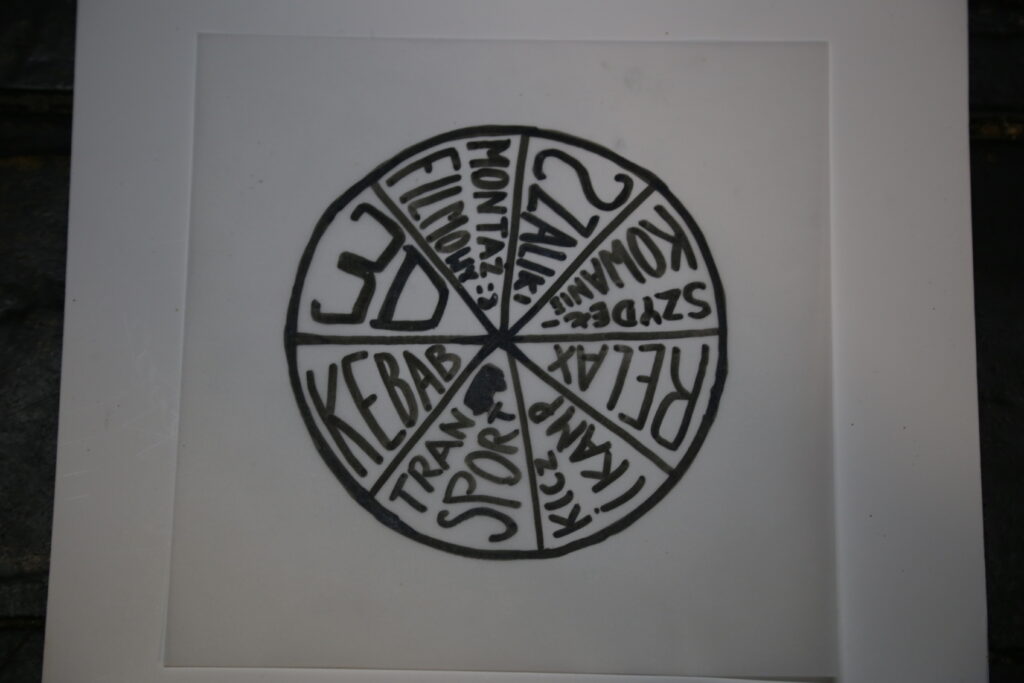
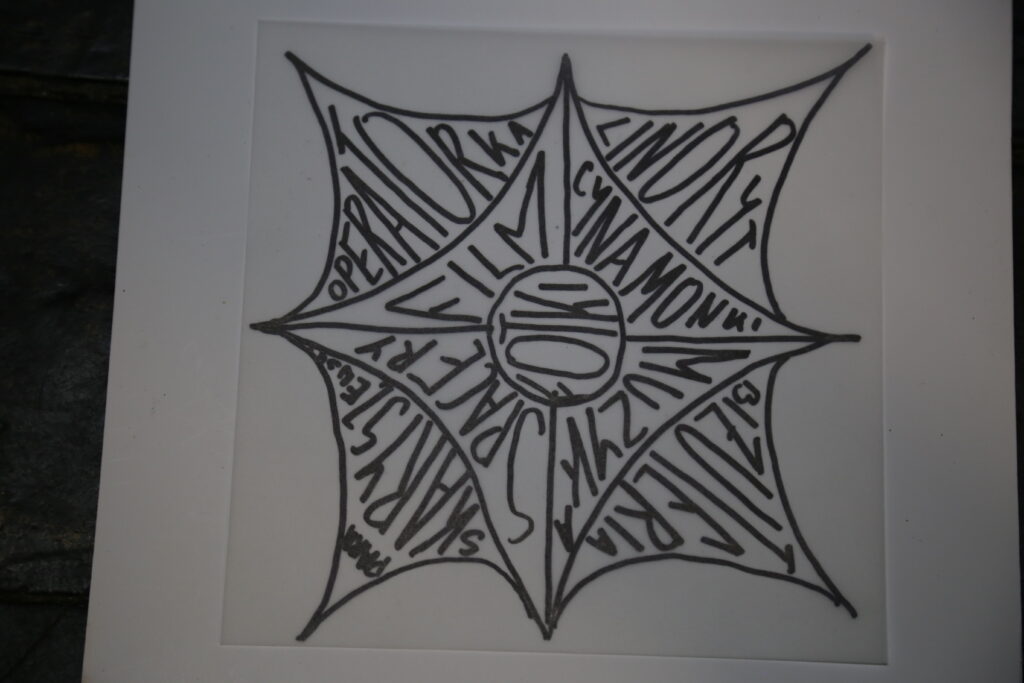
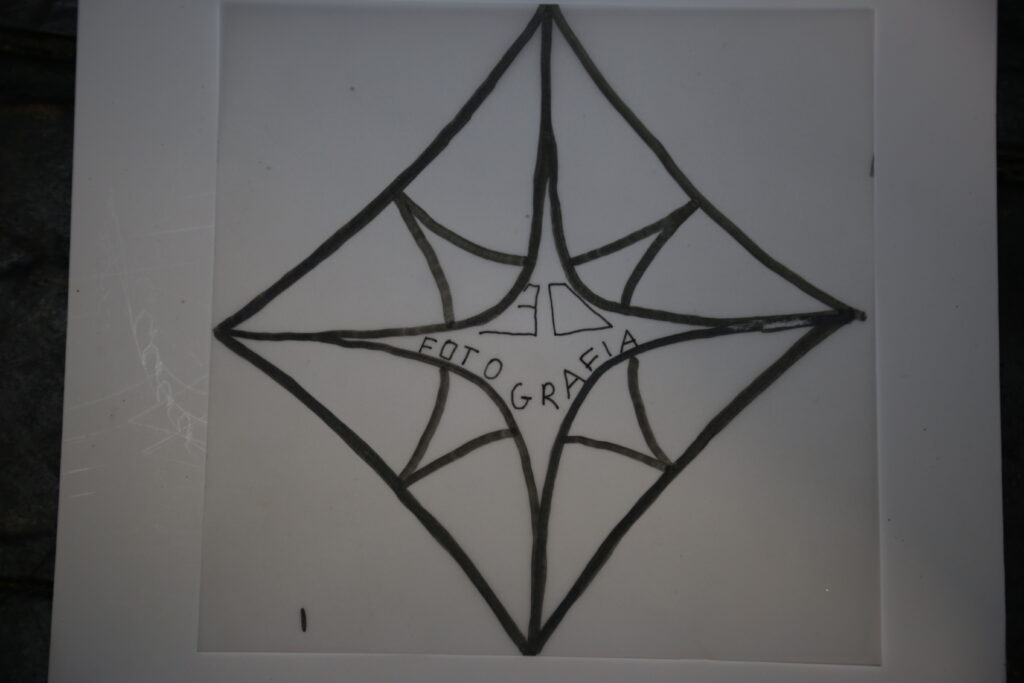
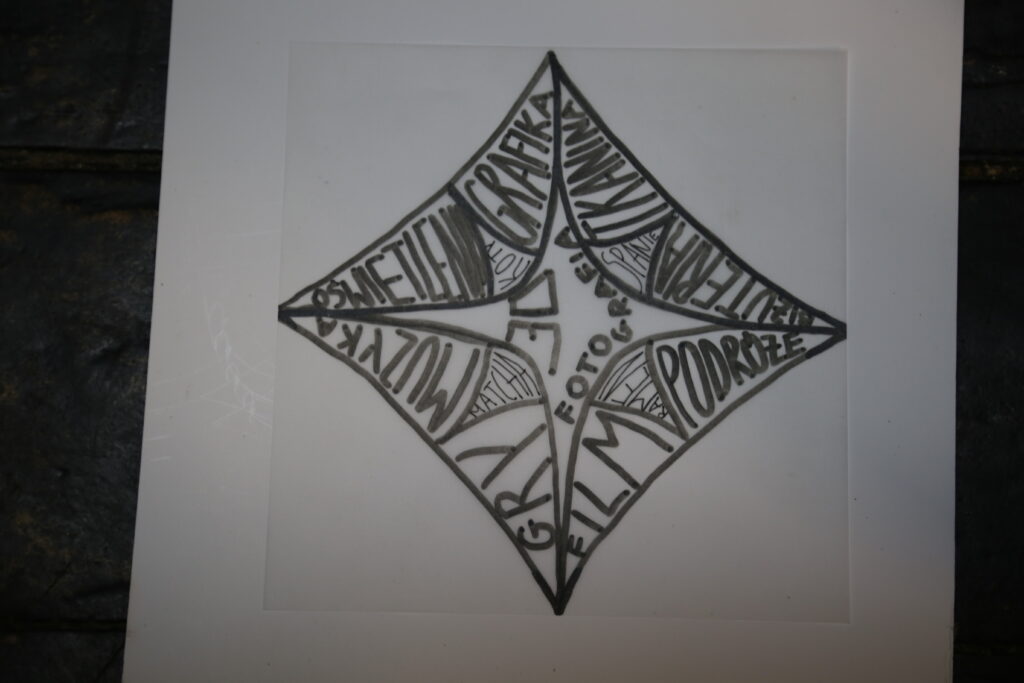
Our students responded most to the open and inspiring practical exercises. A simple exercise of defining the study area using three icons—emoticons—was a good opportunity to reflect on the educational process at various stages for each participant.
Creating a diagram also provided an occasion for considering what shape the educational process should take in the field of art education. We continued to make diagrams even after the session was over. The graphic form is more familiar to my students, and therefore we also chose it to summarise the workshop.
4. We have already reported several times in the Digital Atlas about a well-known representative of your university, Oskar Hansen, and his special methodology. What traces did he leave behind? Are there any references to him in your department?
The Intermedia Communication Studio has always followed the cross-media and interdisciplinary legacy of Oskar Hansen. Group processes and collective exploration in the field of art and new forms of communication are also very important to us.
In the individual educational process, we use Hansen’s compositional exercises and his open way of thinking about space, which is meant to serve as a background for human interactions rather than always being dominant.
Apart from the inspiration from Oskar Hansen, other important artists referenced in our studio’s programme include Jerzy Sołtan and Stanisław Ostoja-Kotkowski. The field of sound is also important to us as is the legacy of Bogusław Schaeffer and Eugeniusz Rudnik from the Polish Radio Experimental Studio where Polish electroacoustic music was created and various sound experiments were conducted. Last year, Professor Barbara Okoń-Makowska, who worked for years as a sound director at the Experimental Studio, conducted a special workshop for our studio.
5. With the experiential knowledge of the last few years, how will teaching in the field of new media continue to change?
For us, pragmatic theory is important. In our opinion, the area of art and science, especially in an interdisciplinary and intermedia context, is crucial. An attitude of collaboration instead of competition also changes the perspective. We encourage students to be interested in life, not just art.
The questions were asked by Katja Klaus.