The Ciudad Universitaria of Bogotá – Modern influences and the contributions of Leopoldo Rother and Fritz Karsen
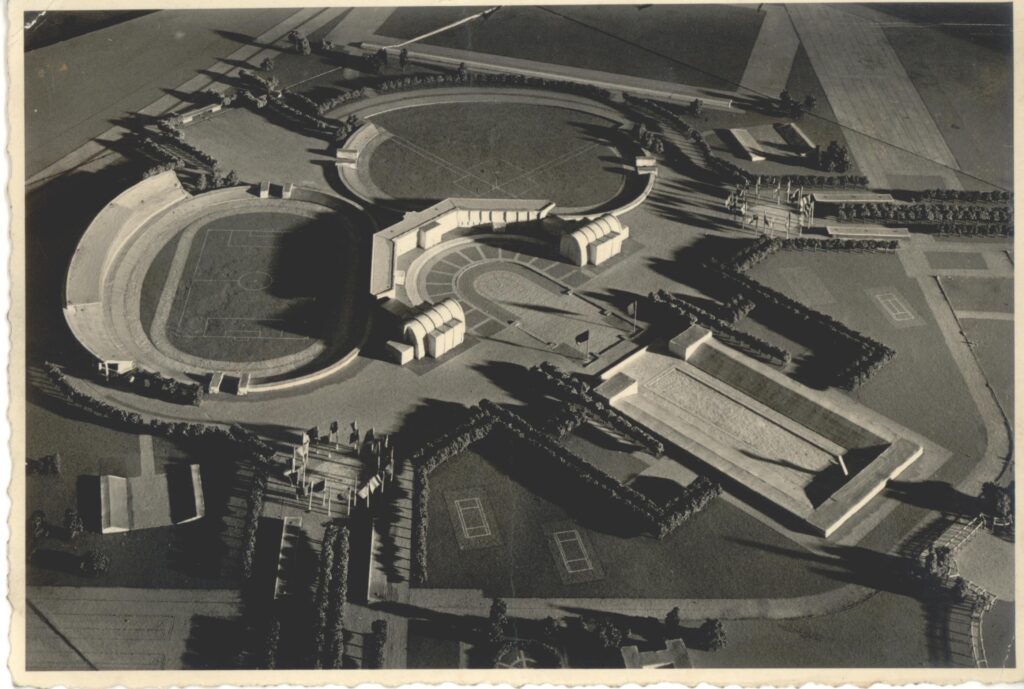
The renewed focus on the reception of the Bauhaus occasioned by the school’s centenary in 2019 shows the extent to which the influences of modernism, functional architecture and progressive education extended beyond Europe. This movement left traces in Latin America too which are particularly visible at the Ciudad Universitaria (University City), the main campus of the Universidad Nacional de Colombia in the Colombian capital city Bogotá.
Two German emigrants had a formative influence on the campus: the architect and city planner Leopoldo Rother and the progressive pedagogue Fritz Karsen. Their collaboration translated European modernisms, including elements of the Bauhaus’s body of thought, into Latin American reality, adapted to Colombia’s climate, materialities and societal requirements.
The Great Depression of 1929 to 1933 had a significant impact on the commodity-dependent countries of Latin America in particular. In Colombia under President Alfonso López Pumarejo, it led to extensive reform efforts, especially in the education sector. The government actively sought out international experts to advance its modernisation projects.
At the same time, numerous German intellectuals and experts were fleeing the antisemitism and political persecution rife under National Socialism. Among them were Fritz Karsen and Leopold (Leopoldo) Rother, who from the mid-1930s found a new sphere of activity in Colombia.
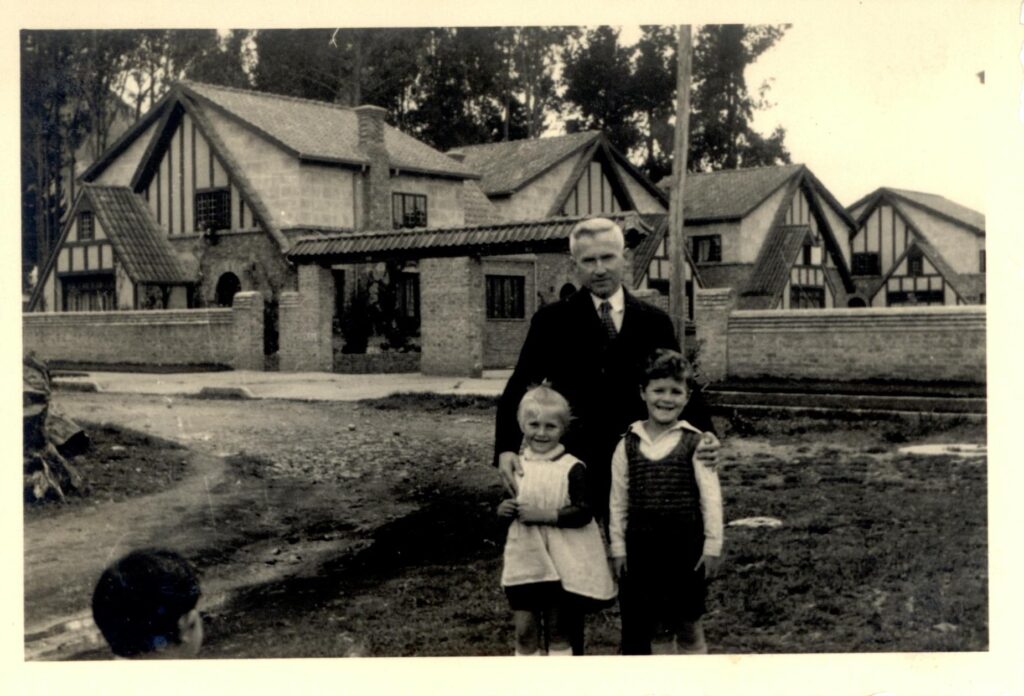
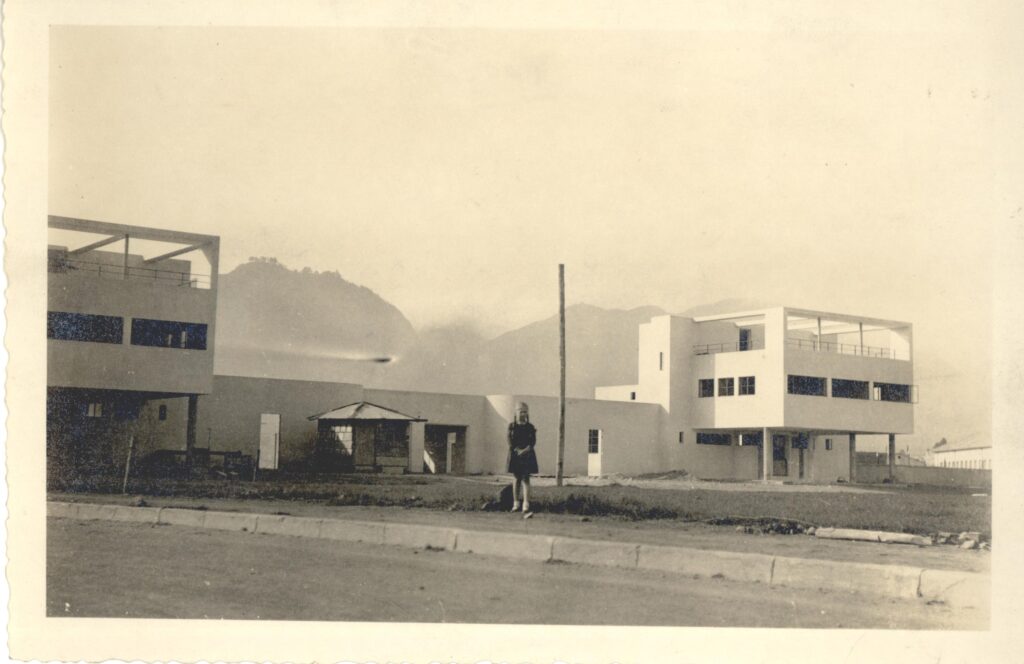
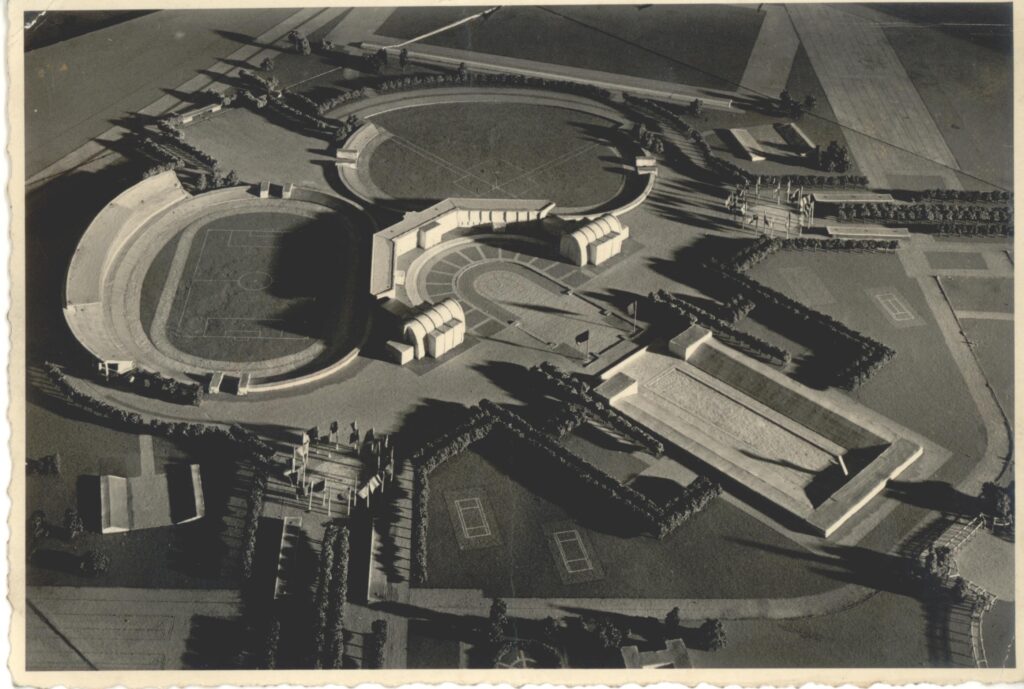
As head of campus planning, Rother moulded the spatial concept and architectonic identity of the Ciudad Universitaria. His plans were inspired by international modernism, with bold lines, functional volumes, minimal ornamentation and concrete as a dominant material. At the same time, he adapted his design vocabulary to the local climate conditions and the available building materials. Rother’s campus planning conceived of the space not as a random juxtaposition of buildings but as an orderly ensemble of axes, green spaces and functional zones that interconnect teaching, research and student life.
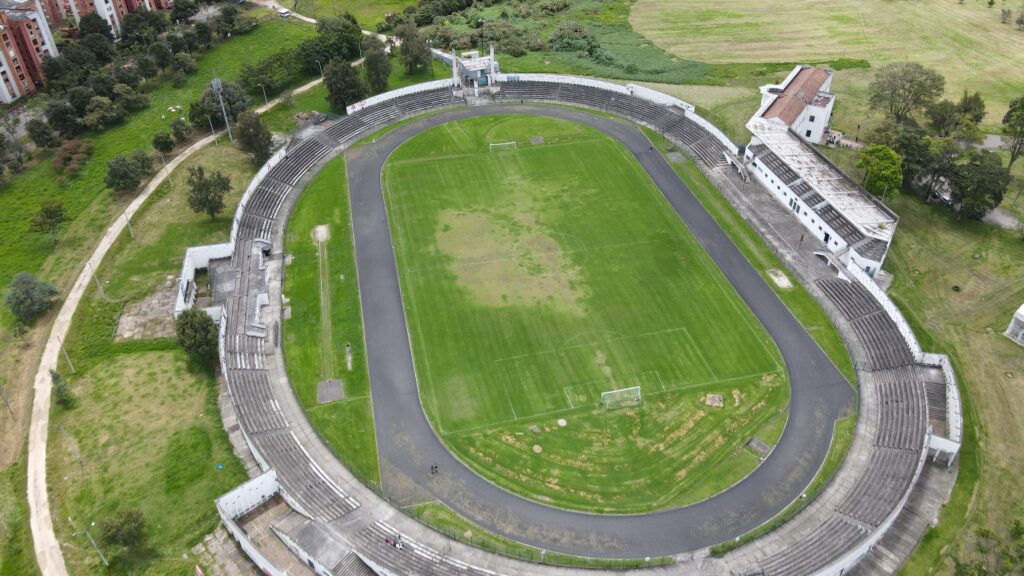
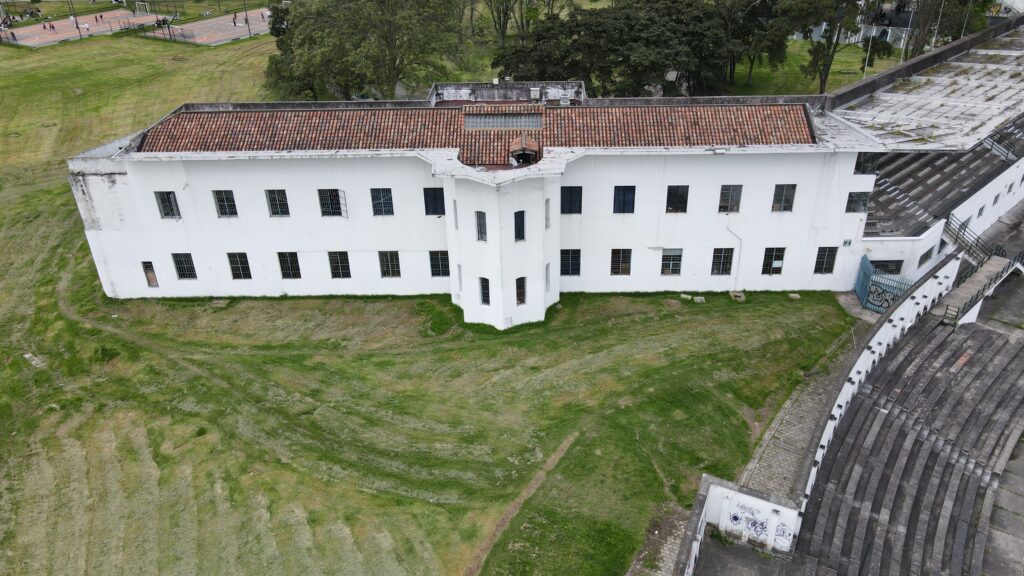
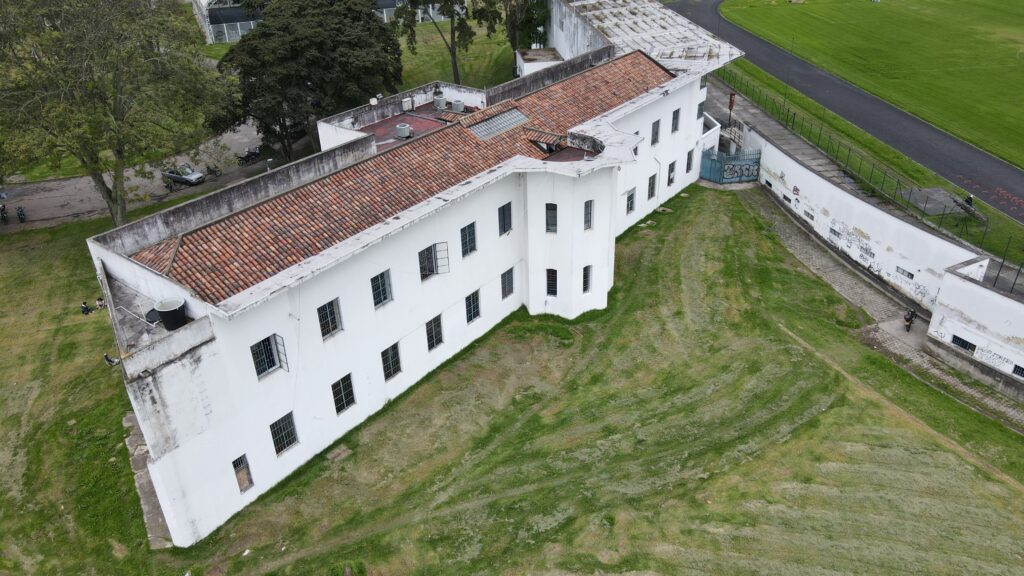
Alfonso López stadium (today, Estadio Alfonso López Pumarejo): A monumental concrete structure that was used for sports events and public and symbolic occasions – an innovative approach for South American universities in the 1930s.
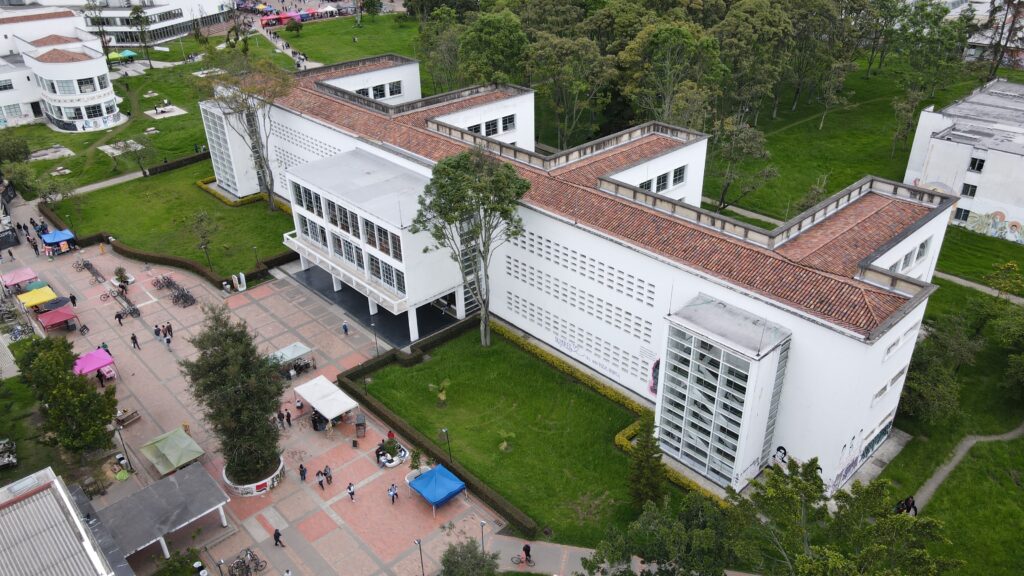
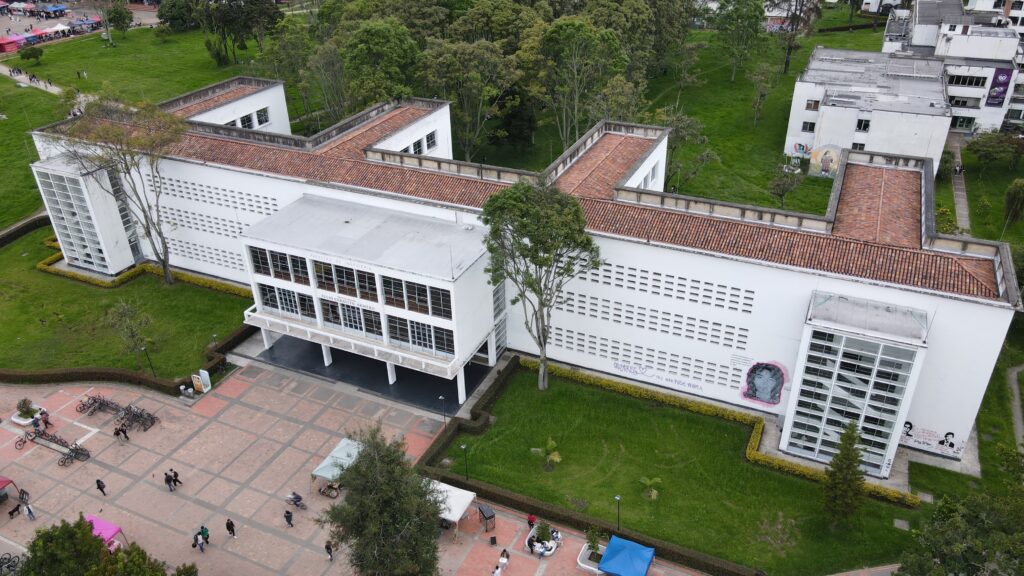

Faculty of engineering sciences (Fakultad de Ingeniería): The building was designed in collaboration with the Italian architect Bruno Violi. A bold horizontal building structure, large ribbon windows and flexible interiors reflect modernistic maxims.
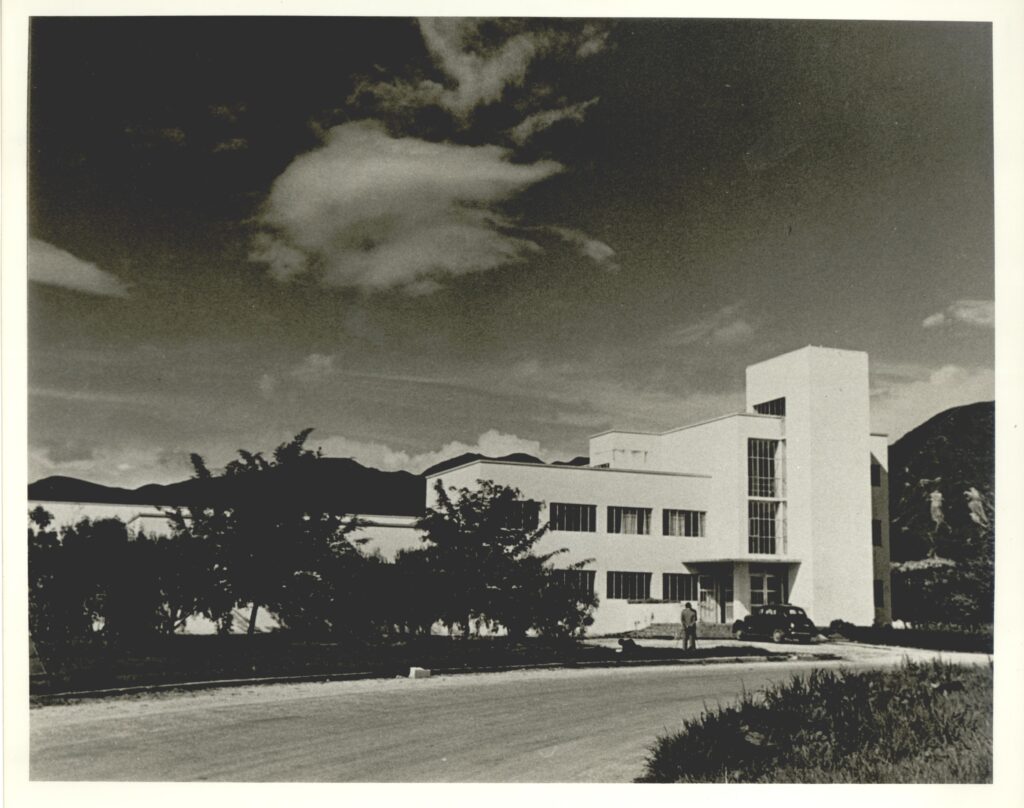
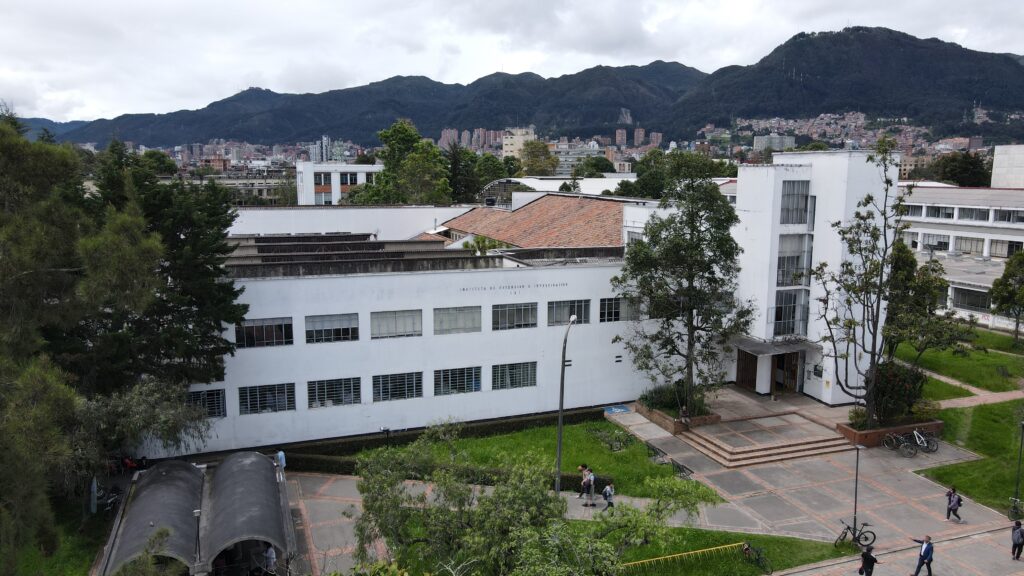

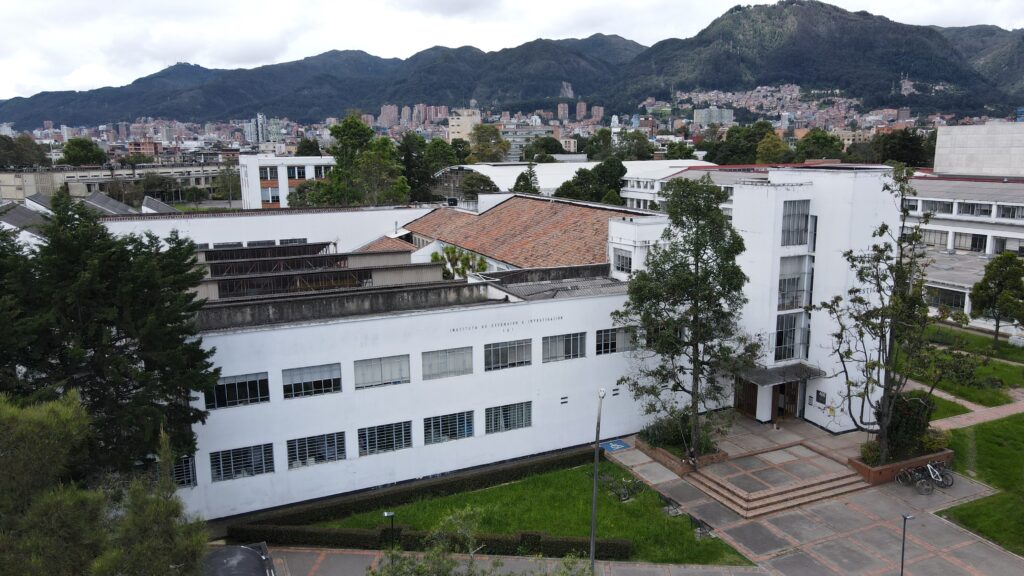
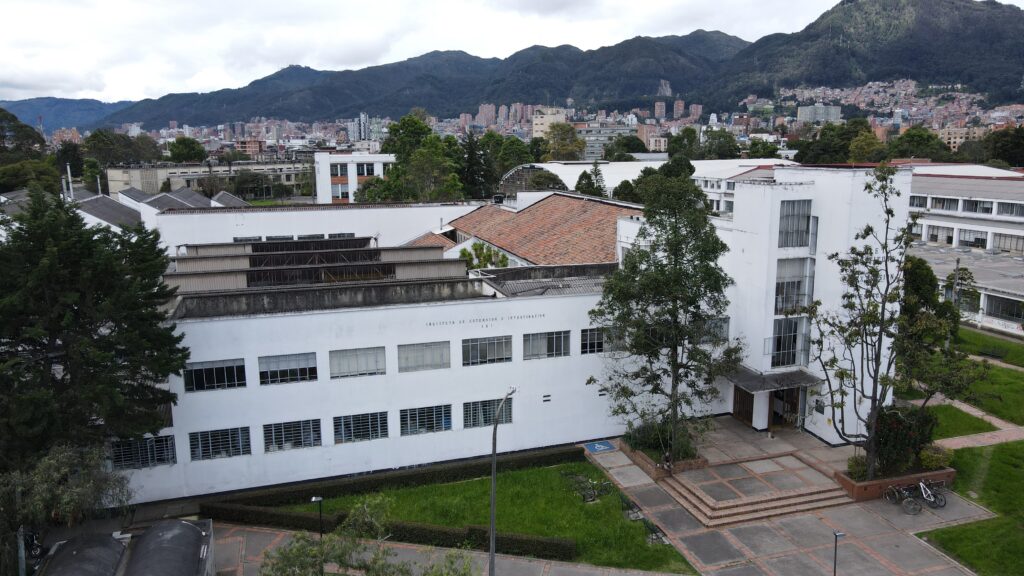
Institute of material research and laboratory building: Functionally organised research buildings with rational floor plans.
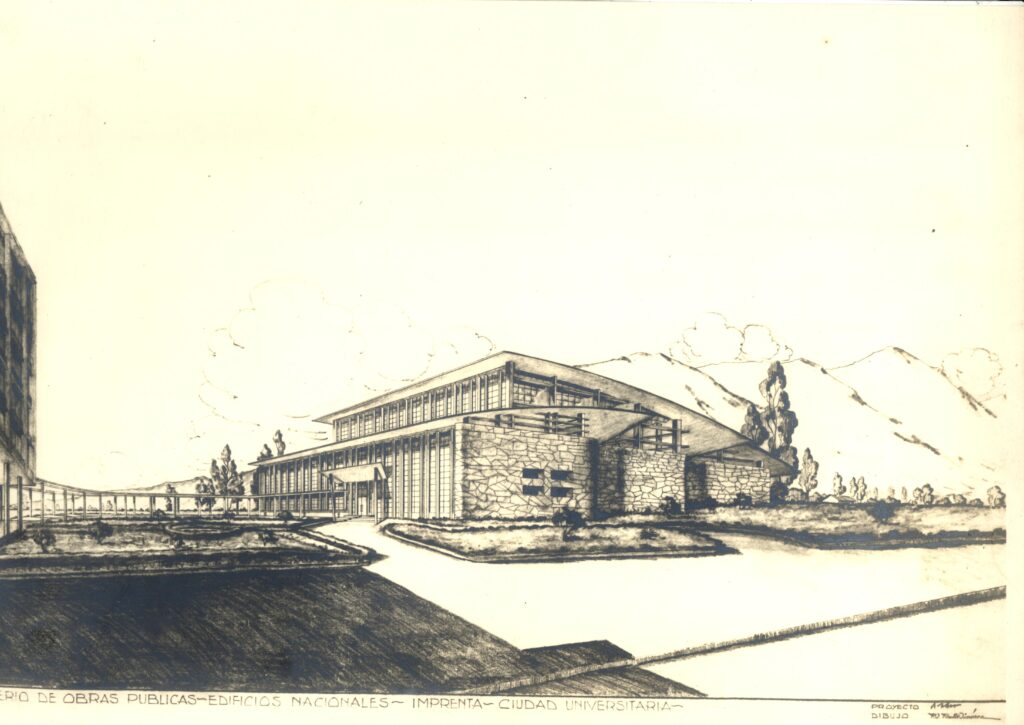
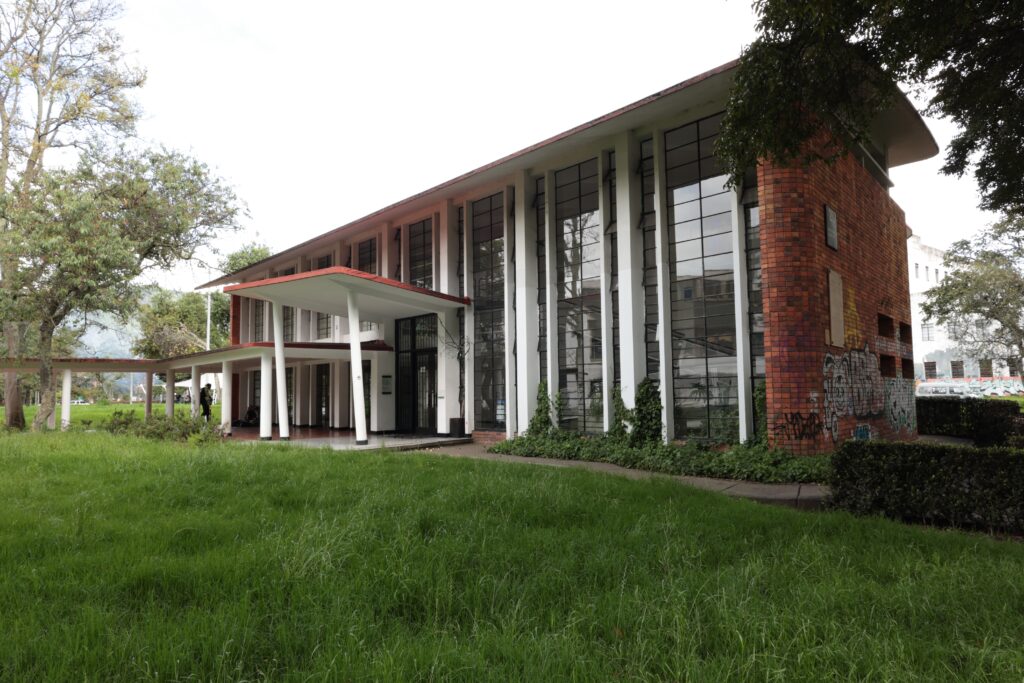
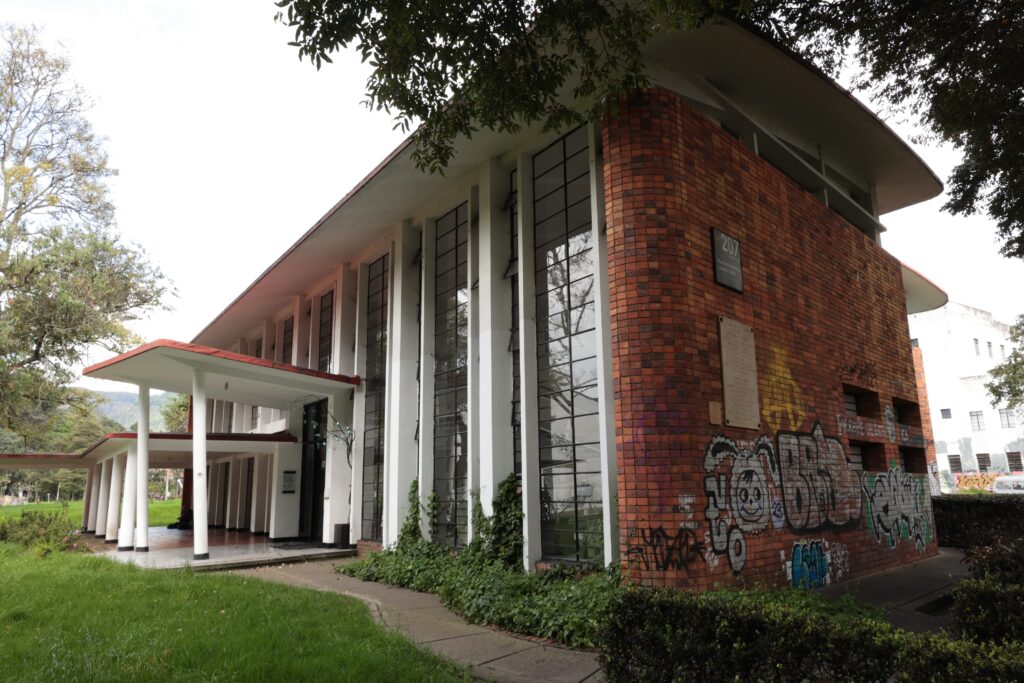
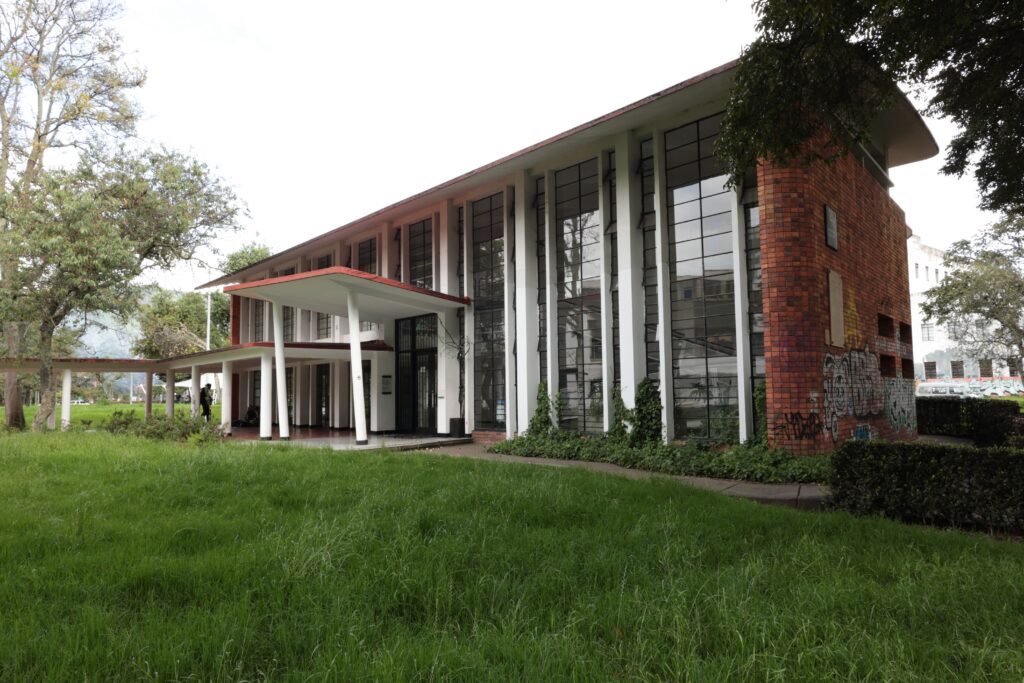
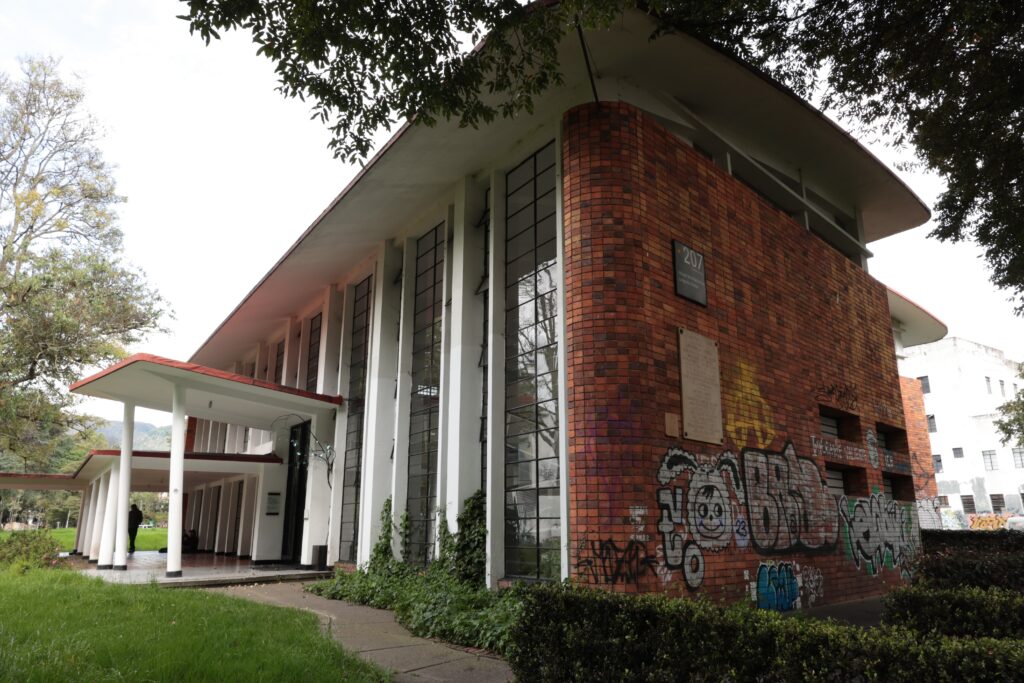
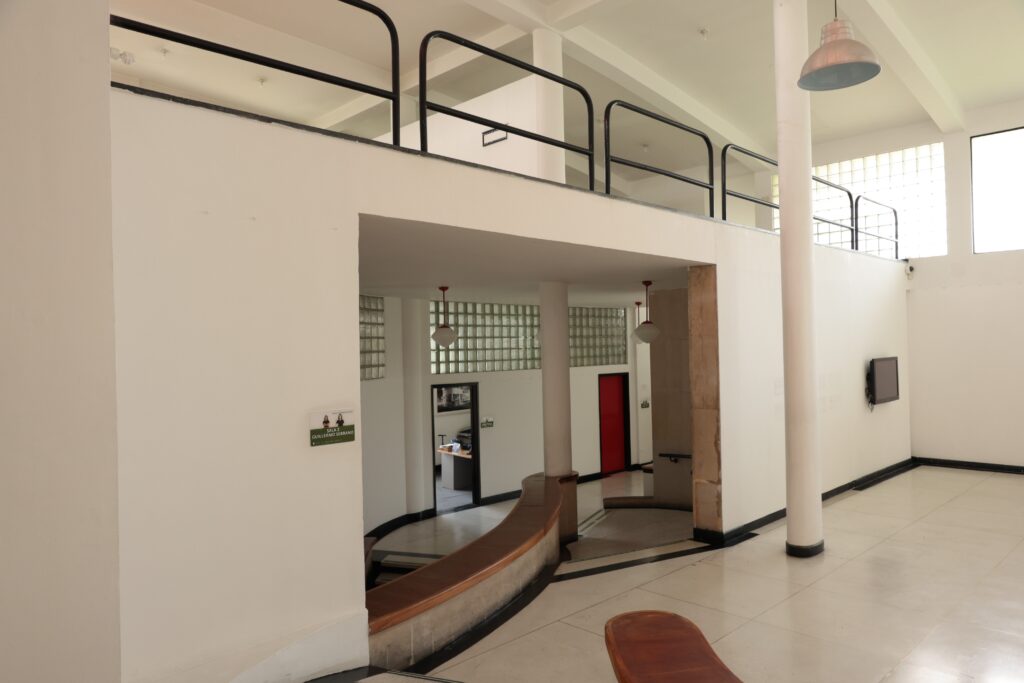
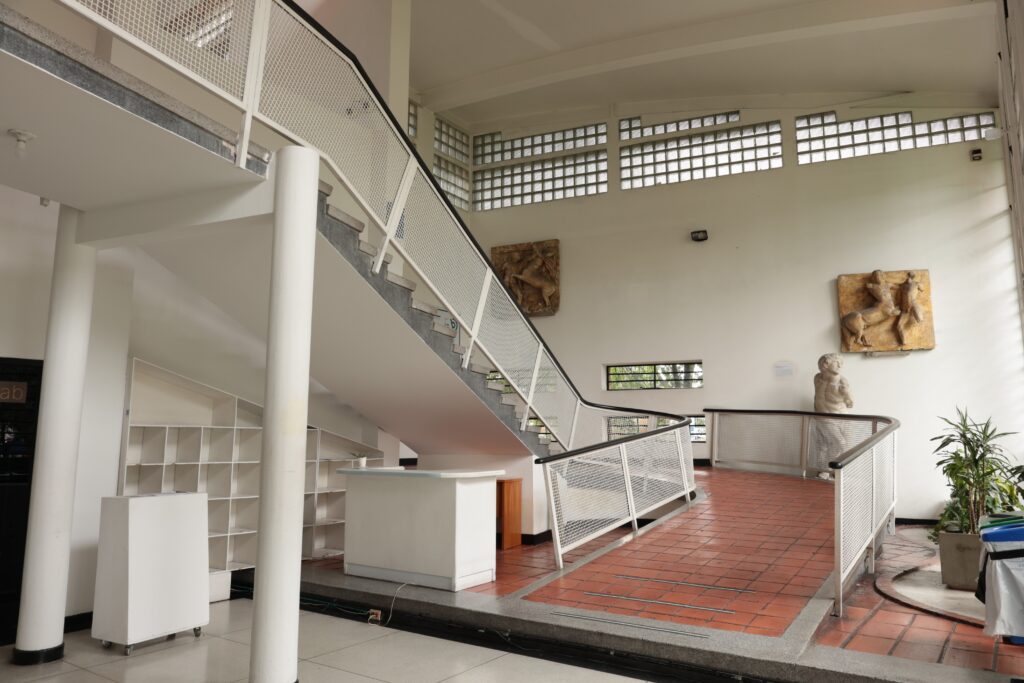
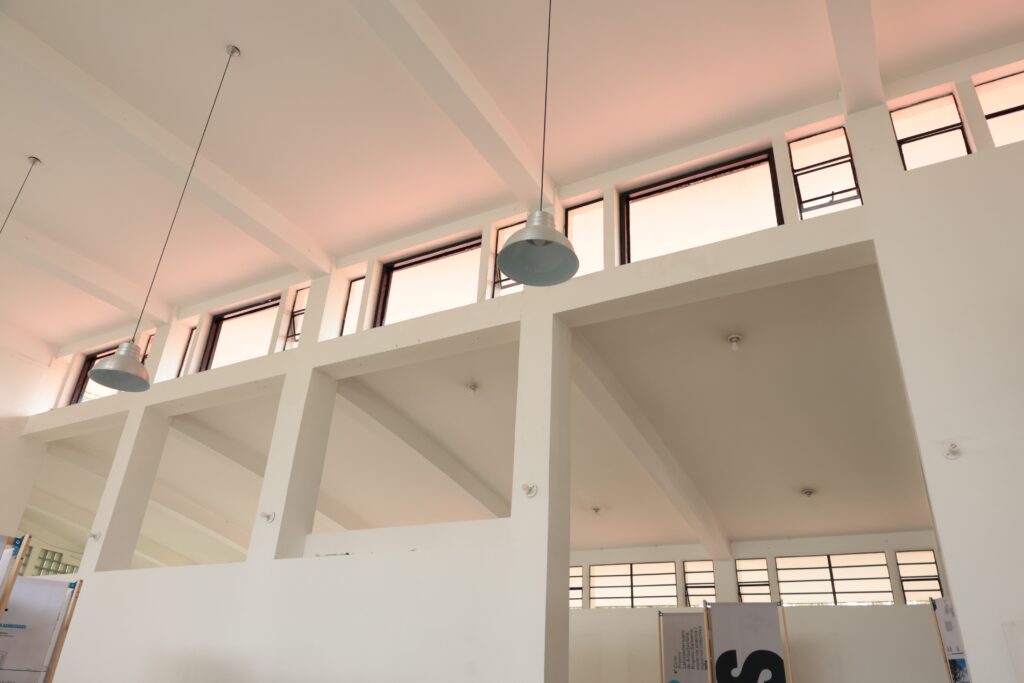
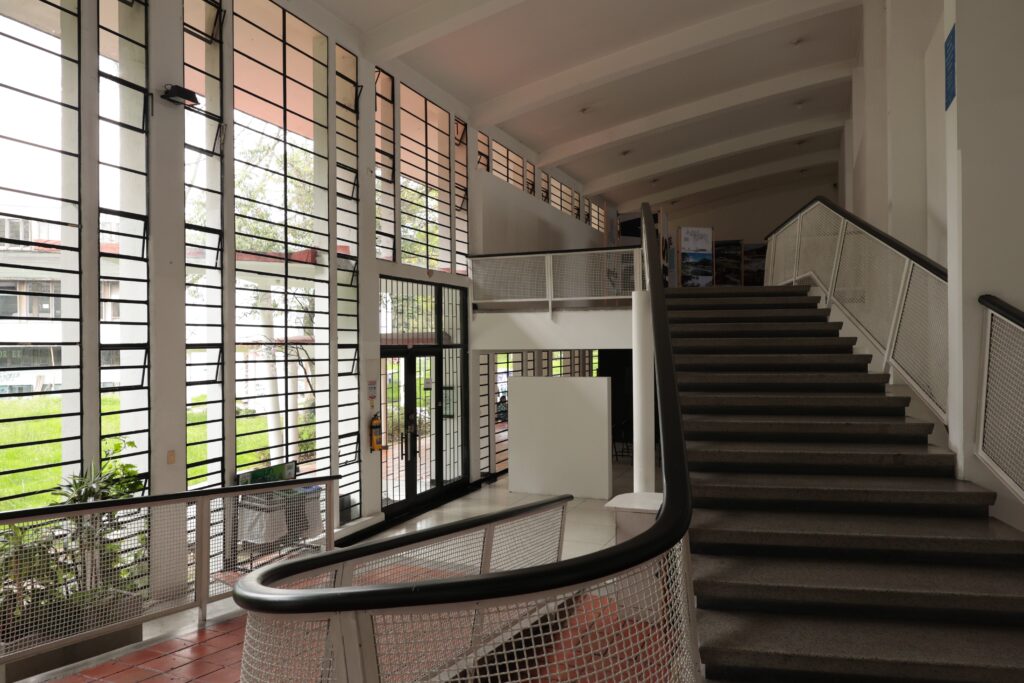
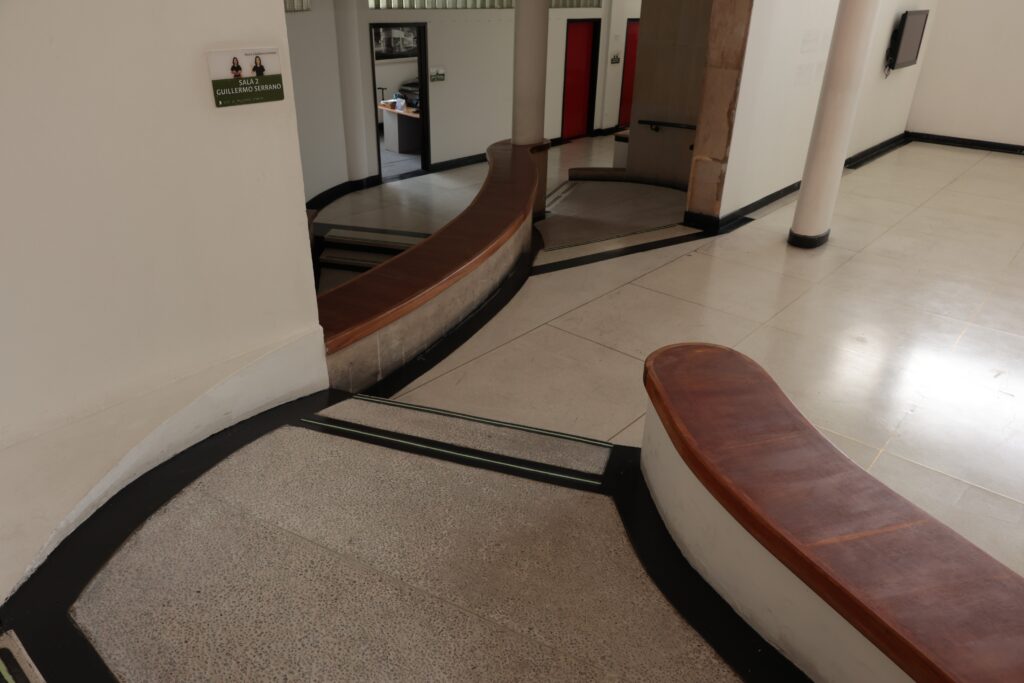
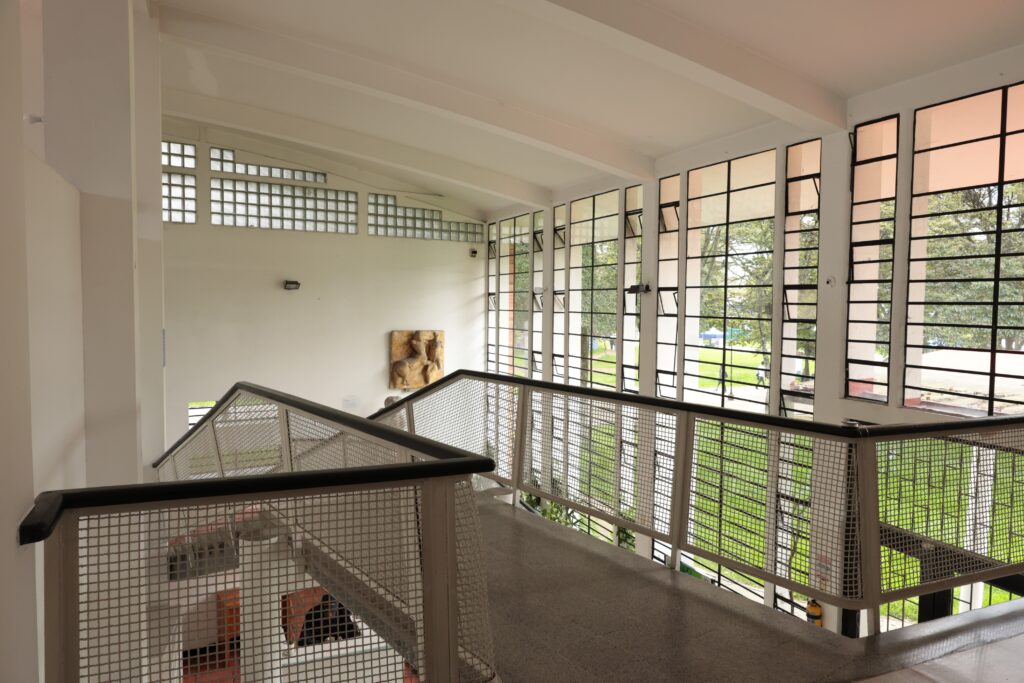
Print works (Imprenta Nacional/Universidad): A functional building with an industrial feel in which the Bauhaus concept of an alliance between technology, production and design was vividly realised.
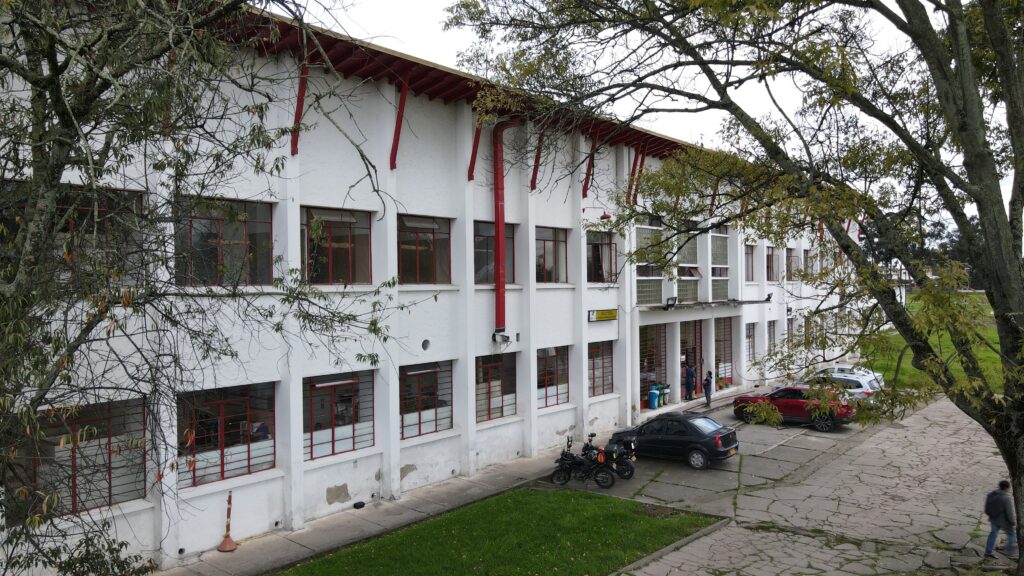
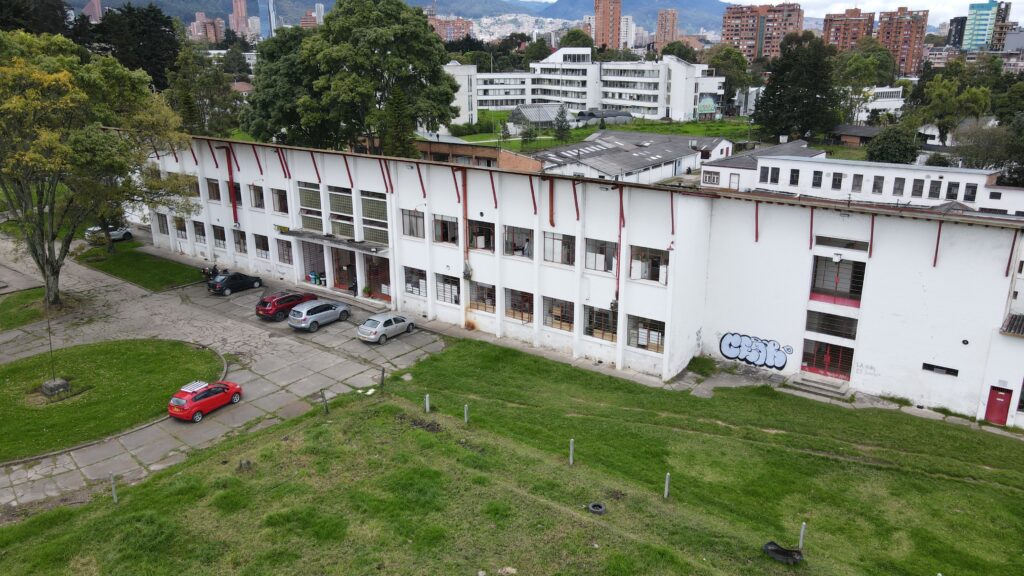
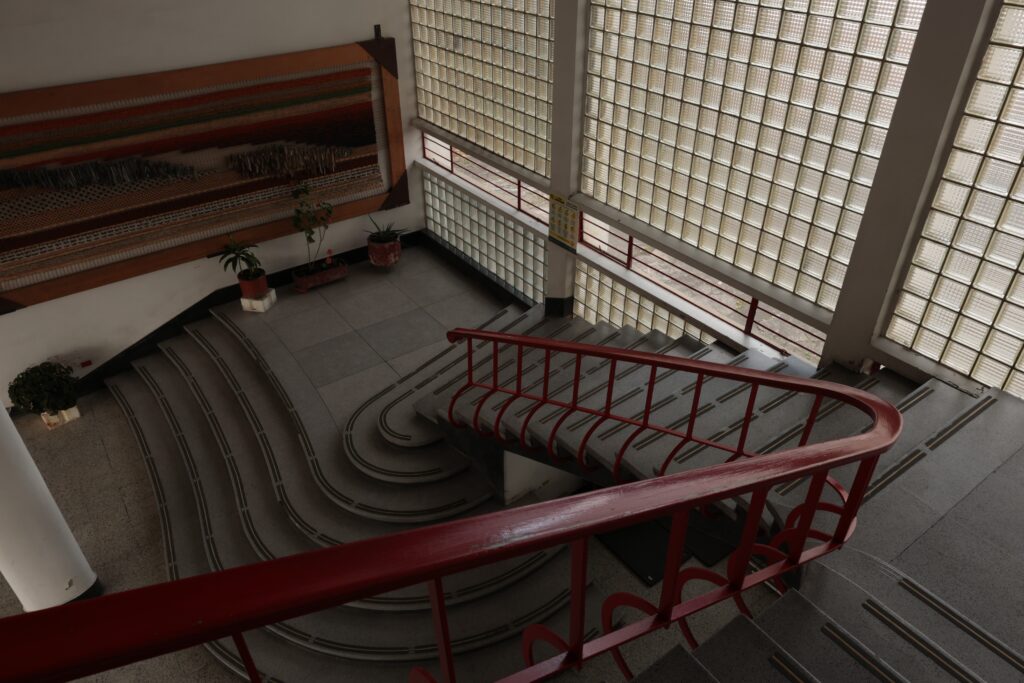
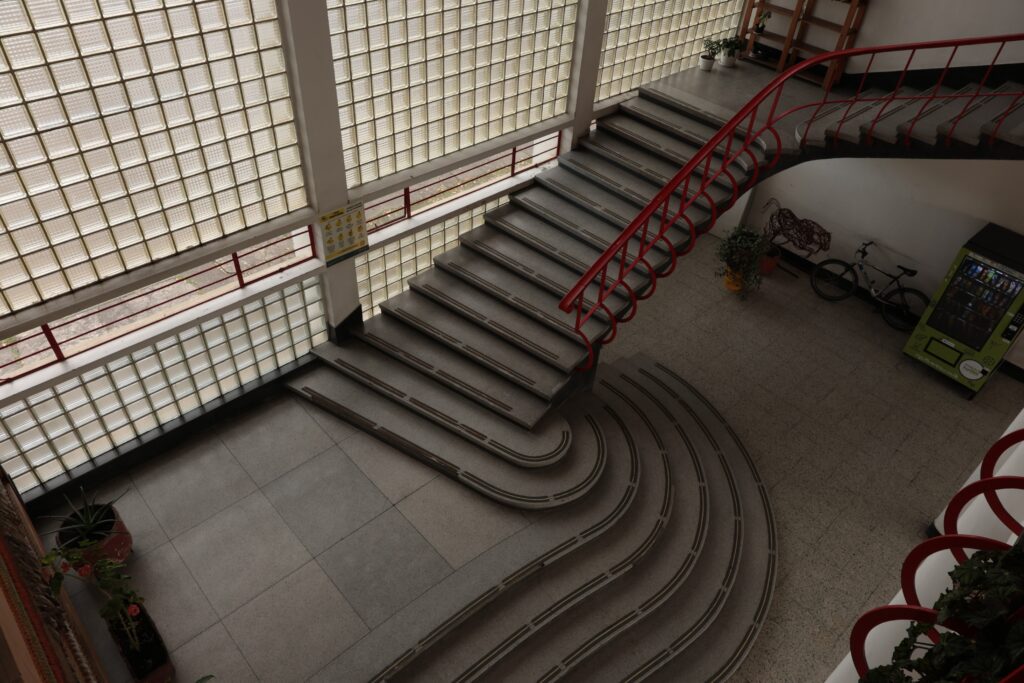
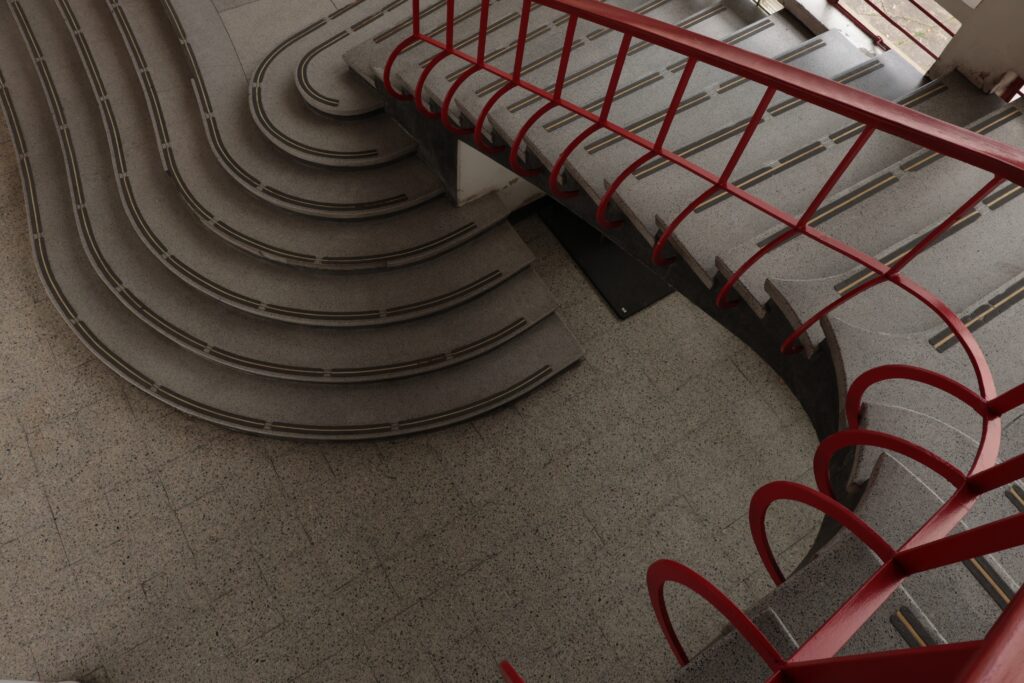
Veterinary building adjacent to the stadium: An example of Rother’s ability to design bold, efficient and climate-conscious functional academic buildings.
Fritz Karsen, one of the most eminent education reformers of the Weimar Republic, brought radical pedagogical ideas to Colombia. The renowned advocate of comprehensive schools sought to interconnect education, social cohesion and practical learning. He applied his experiences in Berlin, among other things as director of the Karl Marx school, to the objectives of the Universidad Nacional.
Karsen’s expert opinions on, and contributions to, the plans influenced the spatial organisation of the campus: proximity between teaching and residential areas, flexible laboratory structures, places to socialise and the idea of the university as a lebensraum, not just a place of education.
Although neither Rother nor Karsen had studied at the Bauhaus, many of the school’s fundamental ideas were transferred to Latin America: Functionalism and minimalism, truth to materials (concrete, visible structures), unity of art, craft and industry, interdisciplinary thinking. In Bogotá, these principles merged with the local realities. The Ciudad Universitaria thus came to exemplify a transformation rather than mechanical adoption of modern impulses.
Today, the Ciudad Universitaria is regarded as one of Colombia’s most prominent modernistic ensembles and is listed as a historical monument. However, it is in part in a critical state of conservation. Weathering effects, pressures resulting from use and a limited restoration budget put the buildings at risk. The challenge is to preserve Rother’s architectonic legacy while simultaneously meeting the requirements of a major, modern university.
The Ciudad Universitaria of Bogotá is an outstanding example of how architectural modernism, Bauhaus influences and education reforms can together shape a new education model. Leopoldo Rother designed the spatial-architectonic structure, Fritz Karsen delivered the pedagogical foundation. The buildings designed by Rother – the stadium, faculty of engineering, print works, laboratories, veterinary building – still form the functional and symbolic heart of the campus today. The Ciudad Universitaria thus shows by way of example how European modernism continued to develop both creatively and independently in a Latin American context.
Bibliography
- Eduardo Angulo Florez. Cincuenta años de arquitectura 1936–1986. Bogotá: Universidad Nacional, 1987.
- Edgard Mauricio Carvajal Ronderos. „Leopoldo Rother y la Arquitectura Expresionista en Colombia”, Cuadernos del Centro de Estudios en Diseño y Comunicación, 246, 2025/2026, pp. 43–56.
- Rodrigo Cortés. Ciudad a parte. Proyecto y realidad en la Ciudad Universitaria de Bogotá. Exhibtion catalogue. Museo de Arquitectura Leopoldo Rother, 2006.
- Marta Devia. Leopoldo Rother en la ciudad universitaria. Bogotá: UNAL Facultad de Artes, 2006.
- Carlos Niño M ‘Entre Alemania y el trópico, entre lo moderno y lo clásico. La obra de Leopoldo Rother en ColombiaÄ’, Ensayos. Historia y Teoria Del Arte, volume IX, no. 9. 2004.
- Mauricio Pinilla. El inmigrante sincrético, Bogotá: Editorial Uniandes, 2025.
- Mauricio Pinilla. ‘El visitante ilustre y un profesor de Arquitectura’, in: María Cecilia O’Byrne Orozco et al. (ed.), Le Corbusier en Bogotá: 1947–1951, Bogotá: Universidad de los Andes, 2010.
- Mauricio Pinilla. Revista de las Indias (Bogotá), Volume. 1, 1937.
- Andreas Schätzke. Verzweigte Moderne. Beiträge zur Architektur des 20. Jahrhunderts, Berlin: Lukas Verlag, 2022.
Acknowledgement: Many thanks to the Museo de Arquitectura Leopoldo Rother in Bogotá, which kindly permitted us to publish materials relevant to the case study.
was born in Dresden in 1978 and spent her childhood in the GDR. After studying Latin American Studies, Sociology and German as a Foreign Language at the Free University of Berlin, her connection to the subcontinent, but especially to Colombia, deepened. She has been living in the South American country since 2016 and has worked as a German teacher, consultant at GIZ and manager at a tourism company, among other things. She currently works as a freelance journalist, translator and cultural mediator.