‘It's about more than pottery’ – Insights into South Bear School, a learning centre modelled on Pondfarm
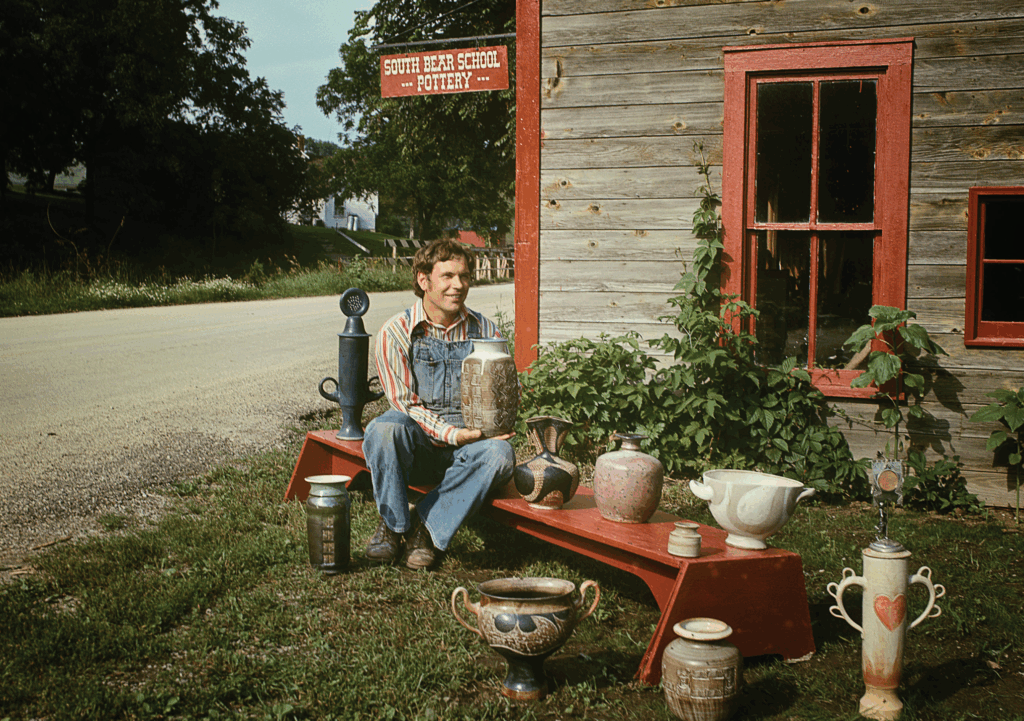
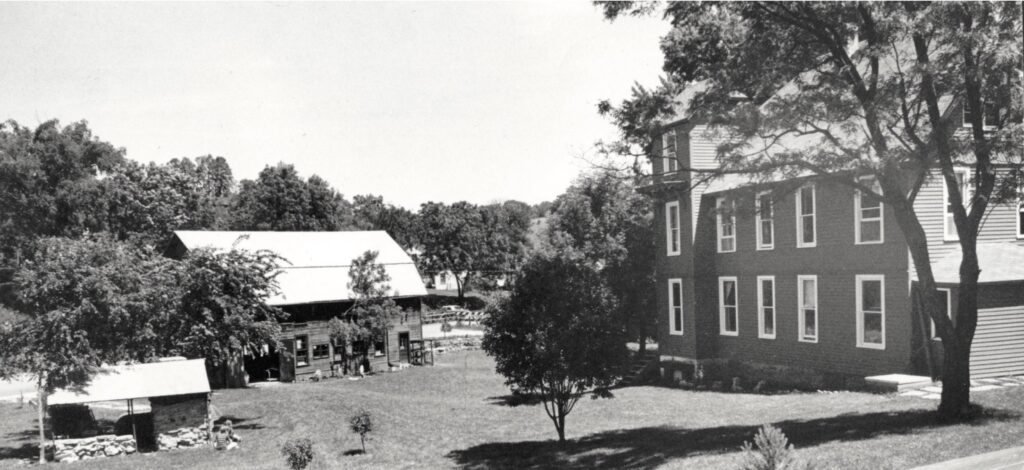
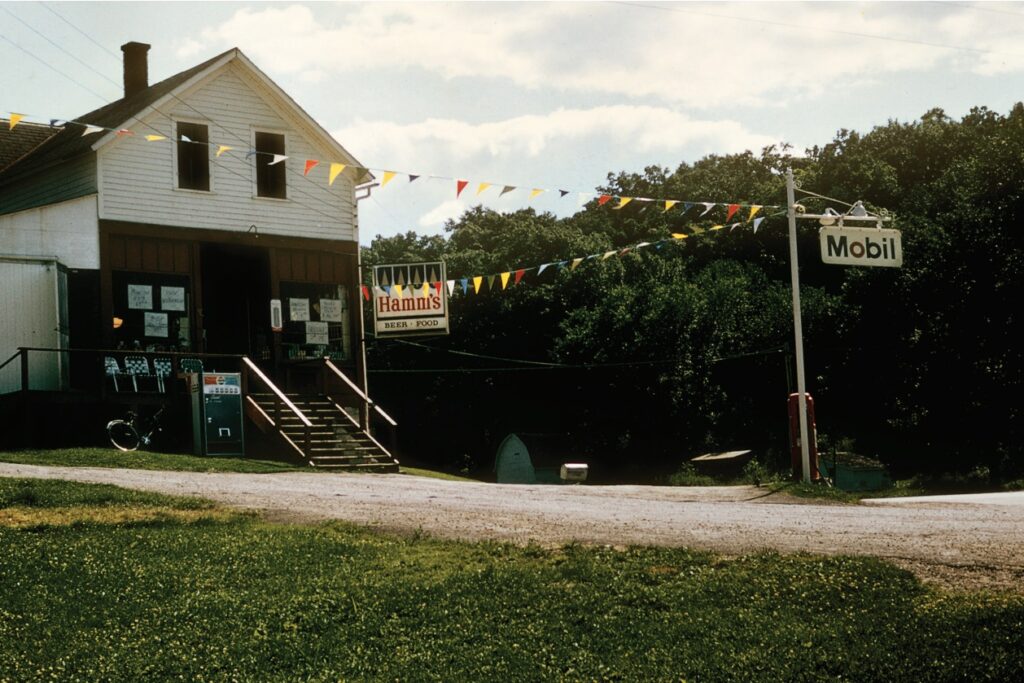
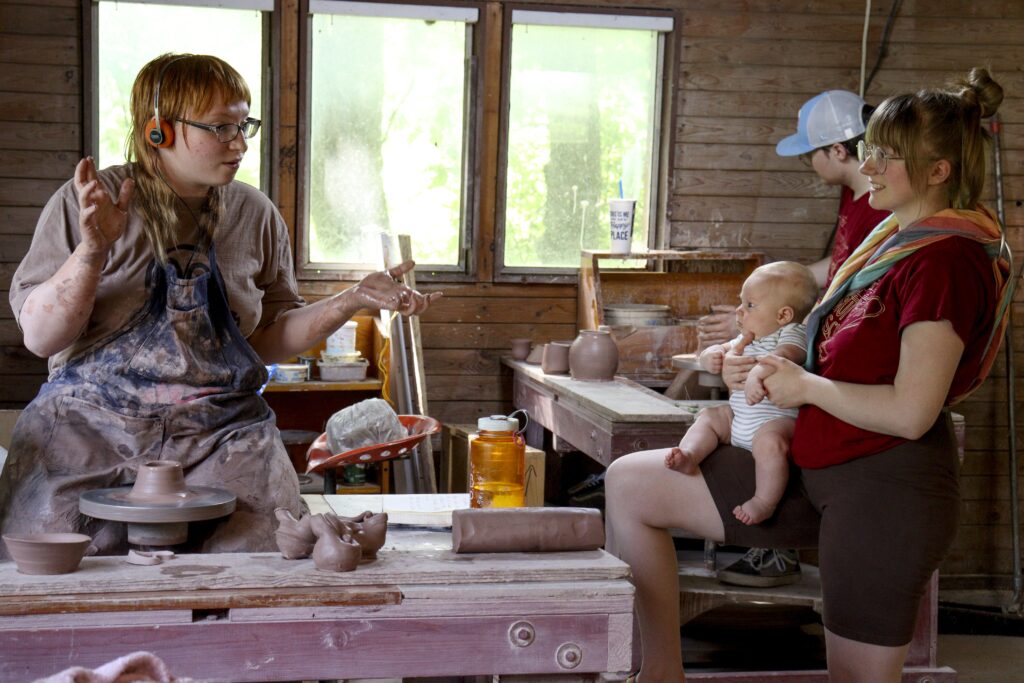
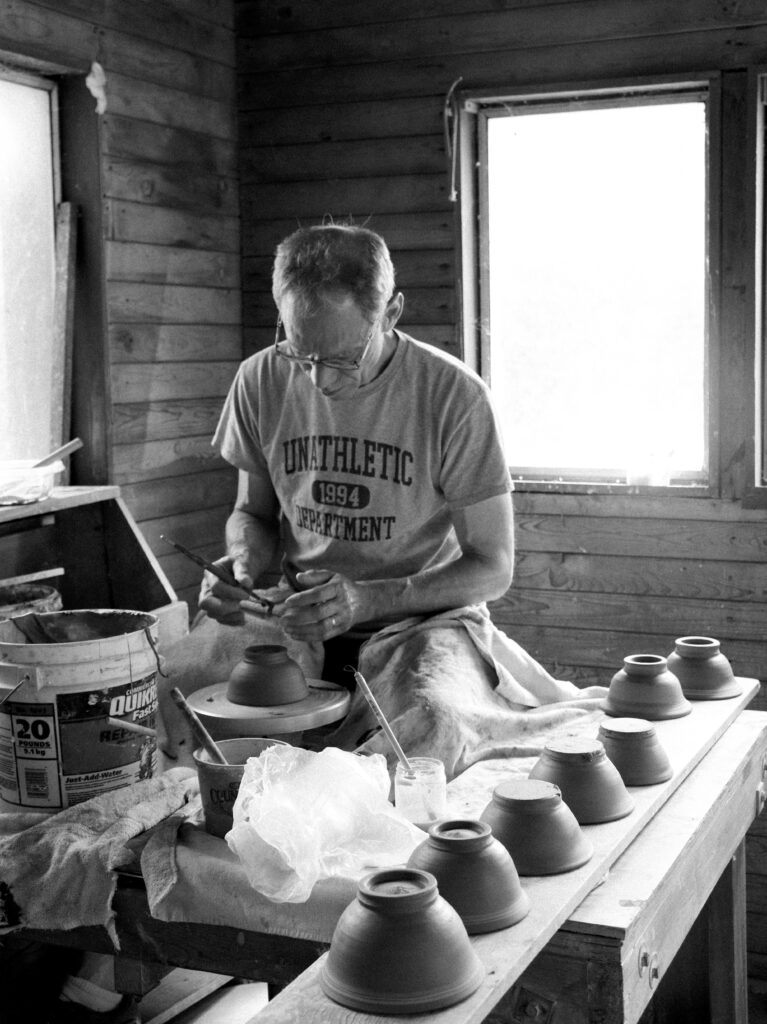
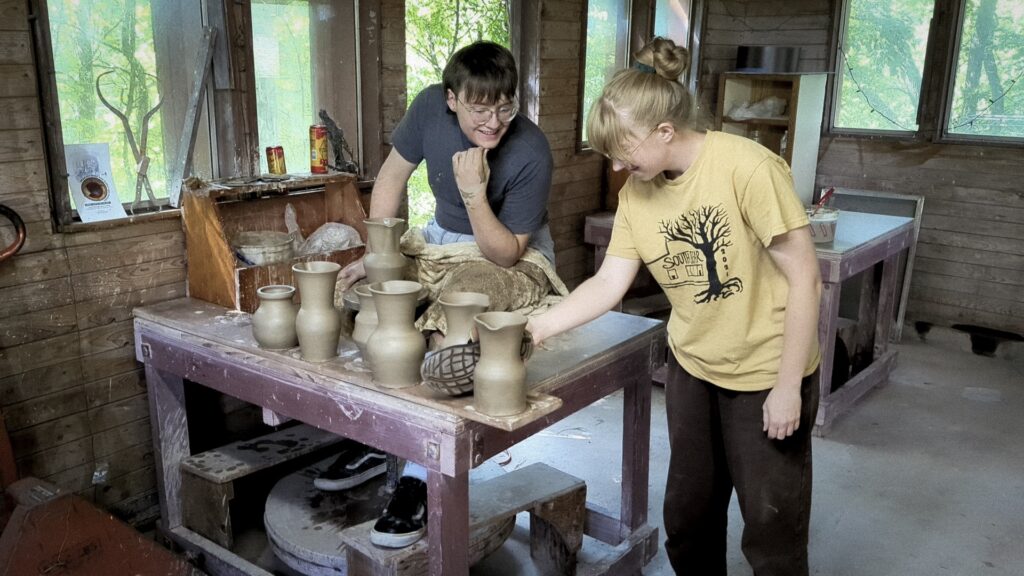
South Bear School is an adult education centre for the visual arts in rural northeast Iowa, dedicated to passing on the skills and artistic values established by the Bauhaus and earlier masters of this tradition. South Bear is distinguished by its commitment to tradition, its inspiring natural surroundings, and its vibrant community of artists and learners. The school’s tradition dates back to Marguerite Wildenhain and the Bauhaus movement, and before that to the 500-year-old system of German pottery guilds. South Bear cultivates a deep respect for craftsmanship and functional beauty. Regina Bittner interviewed the school’s board member, Will Schwarz.
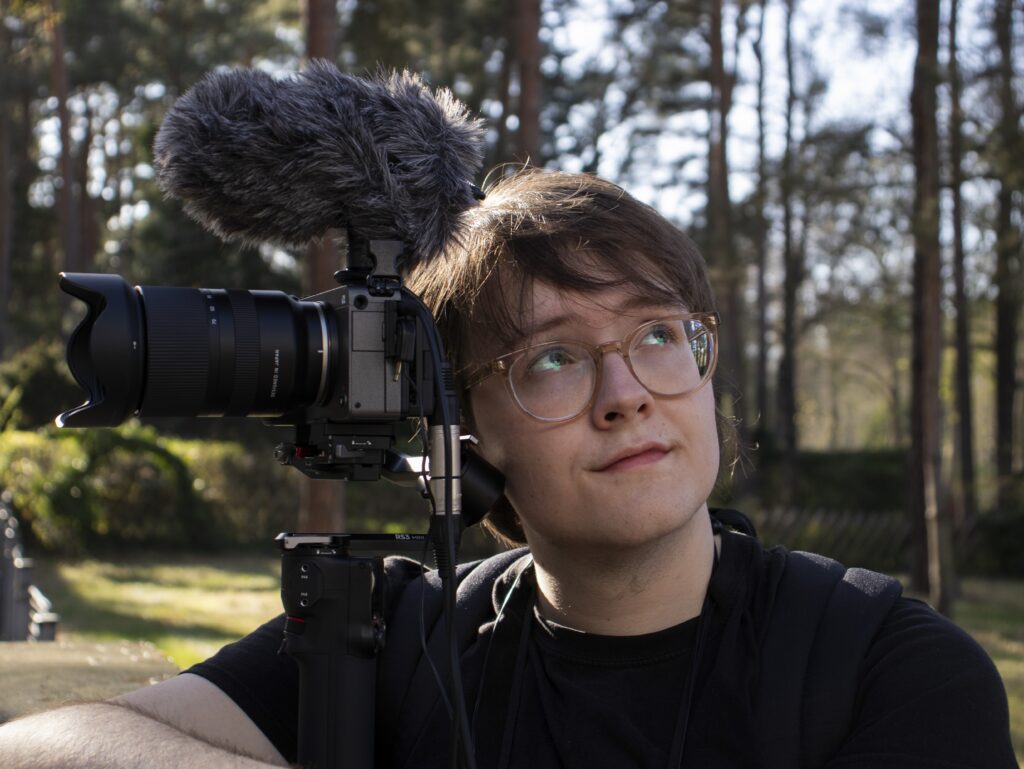
Thanks for joining us today. I’ve prepared a few questions. Let’s start with a quick introduction – can you tell us a bit about yourself?
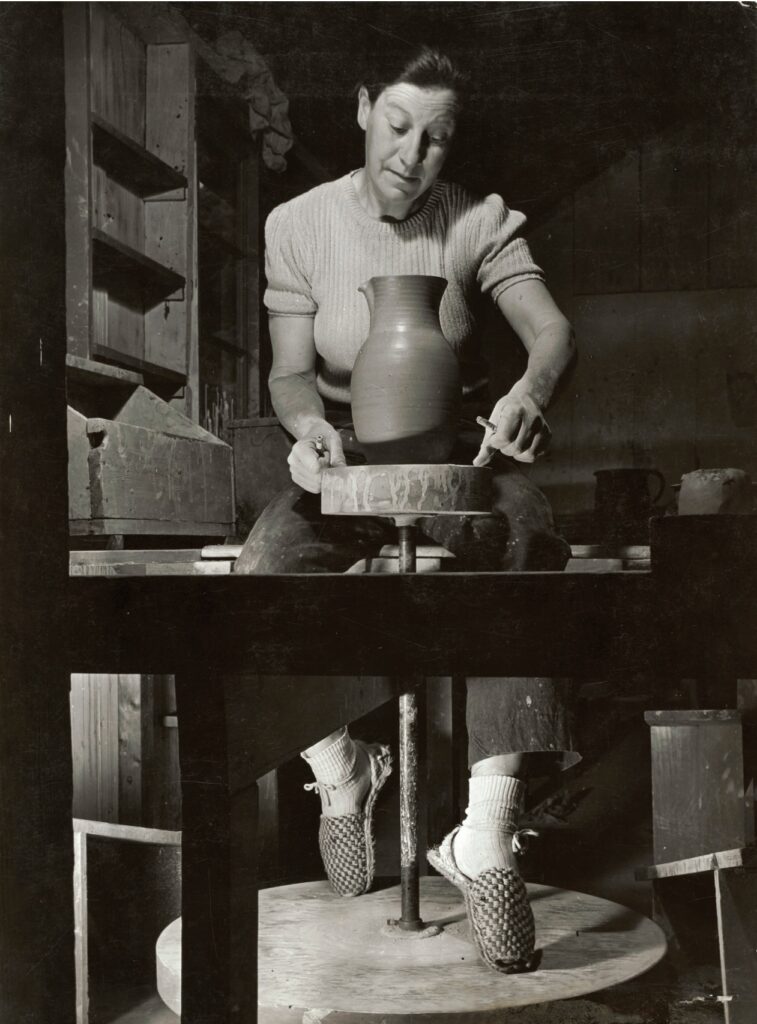
I’m a filmmaker and ceramicist. I grew up surrounded by art, especially ceramics, thanks to my grandparents’ collection which included works by Marguerite Friedlaender-Wildenhain. I’ve always felt fortunate to have been exposed to that world and the incredible artists who studied with her.
When I became interested in filmmaking, one of my goals was to create a documentary about Marguerite. Over the years, I’ve conducted interviews with people who knew her, and now that project has evolved into a documentary spanning California, Germany and the Midwest.
I graduated from the University of Iowa in 2024 with a degree in Cinema and Screenwriting. I’m also on the board of South Bear School where we’re currently hosting workshops. Besides the documentary, I’m finishing up a comedy film set to release this fall.
You mentioned you’re a board member at South Bear School and also act there as a practitioner. Since this edition of our Digital Atlas focuses on the role of craft – not just as a cultural practice but also a pedagogical legacy – could you tell us more about South Bear and its connections to Dean Schwarz, your grandfather, and the Pond Farm?
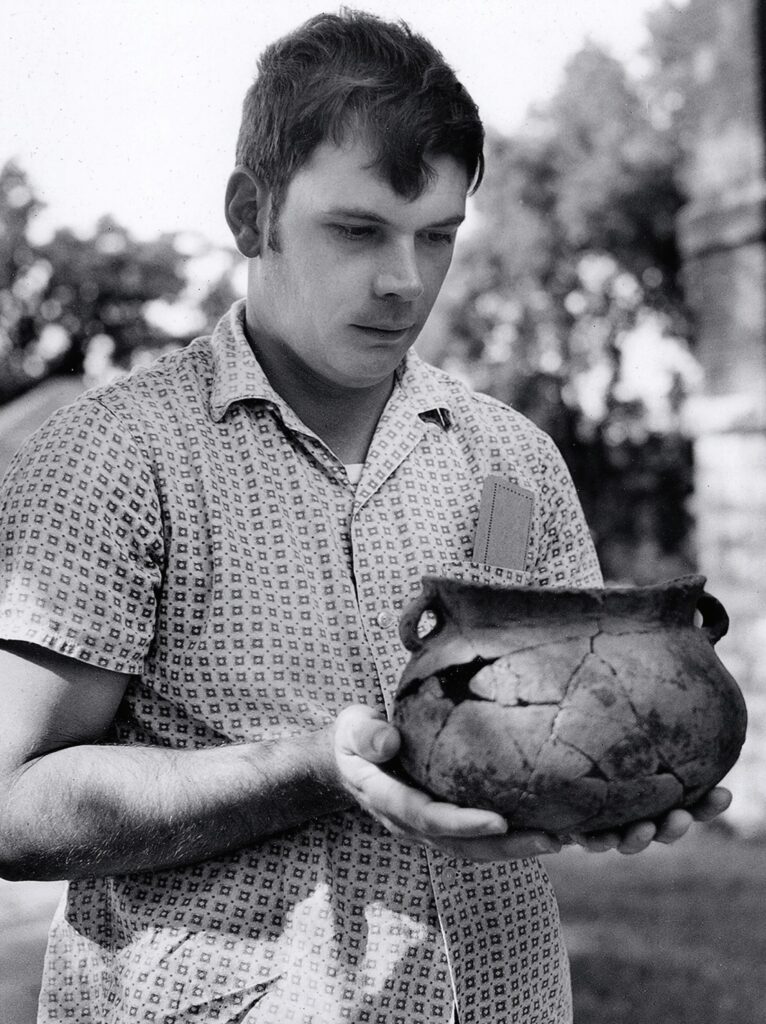
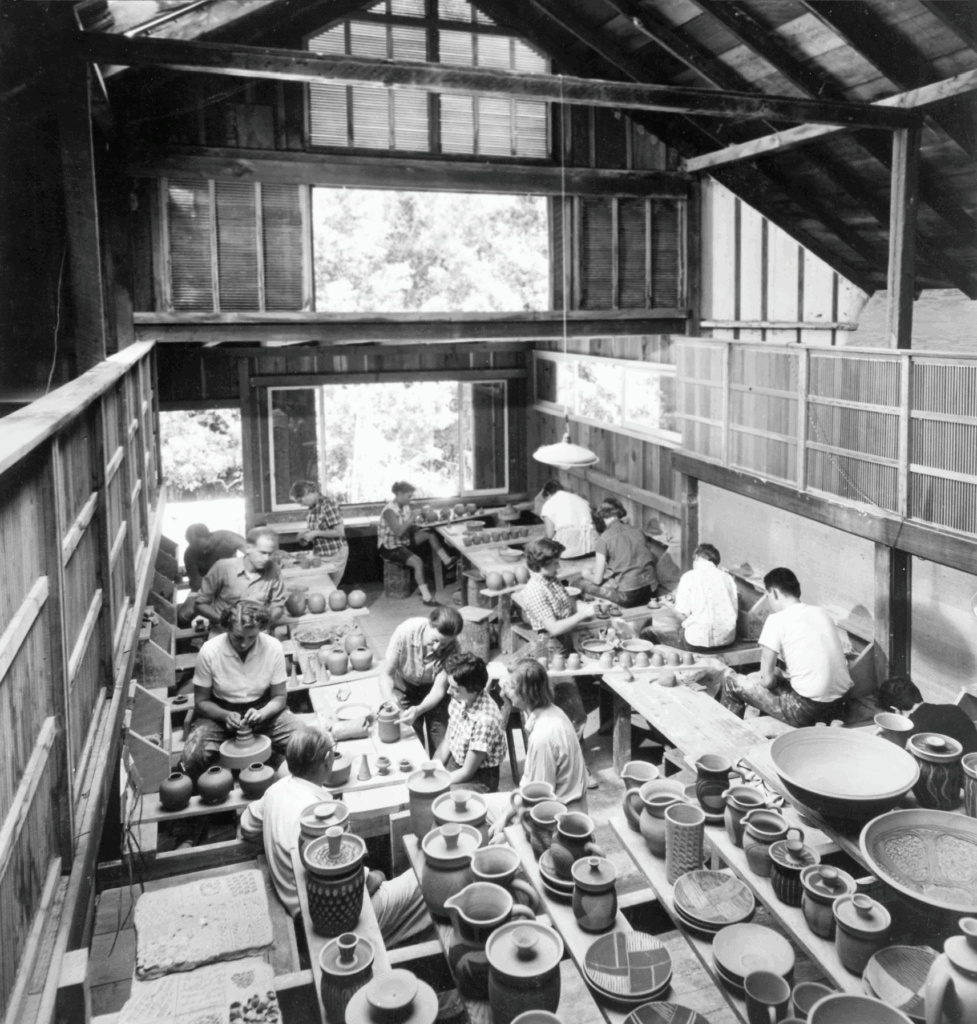
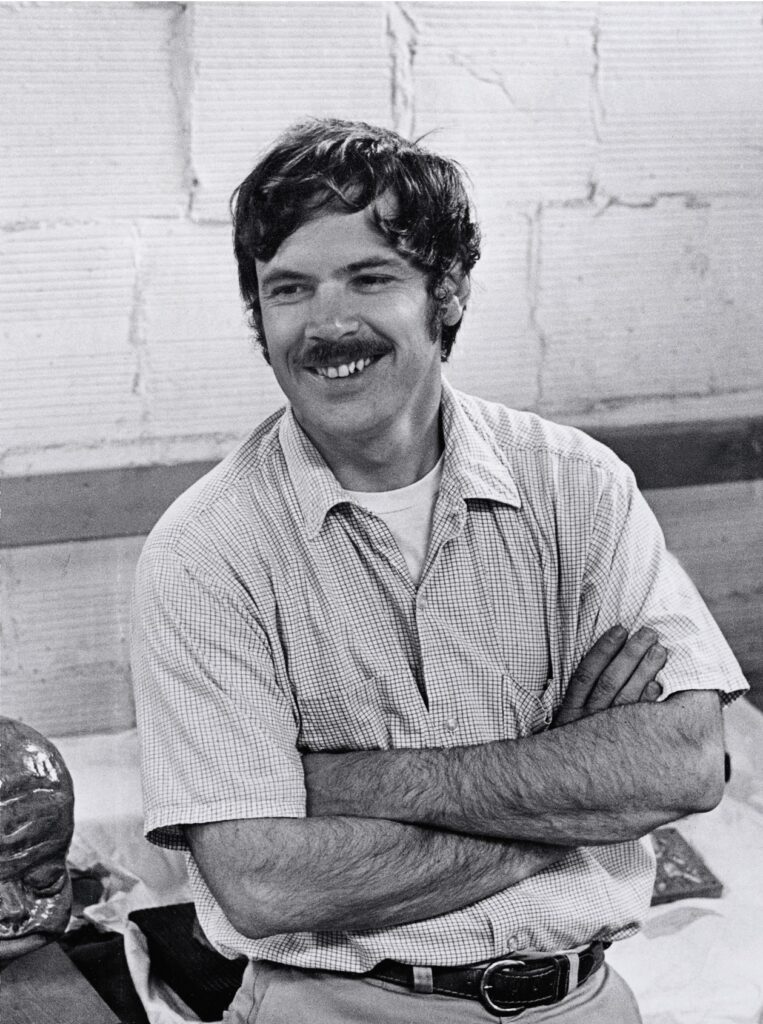
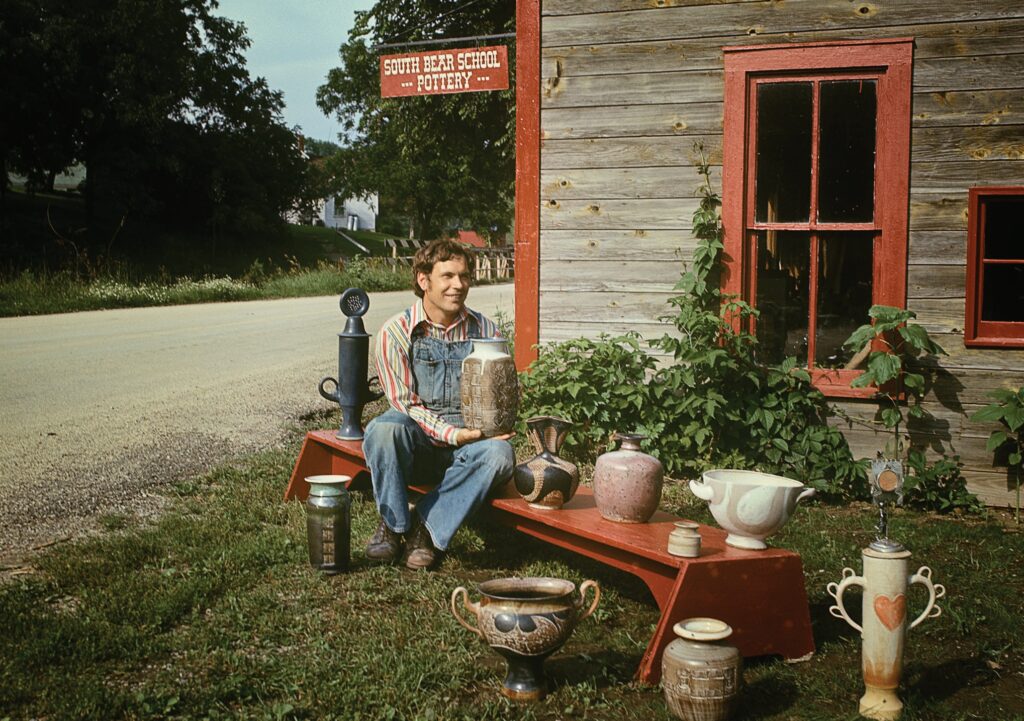
Dean Schwarz studied with Marguerite at the artists’ colony Pond Farm in the late 1950s. Originally a painter, he shifted to ceramics under her mentorship. He later became a teaching assistant there before establishing his own school – South Bear School – in Iowa, modelled after Pond Farm.
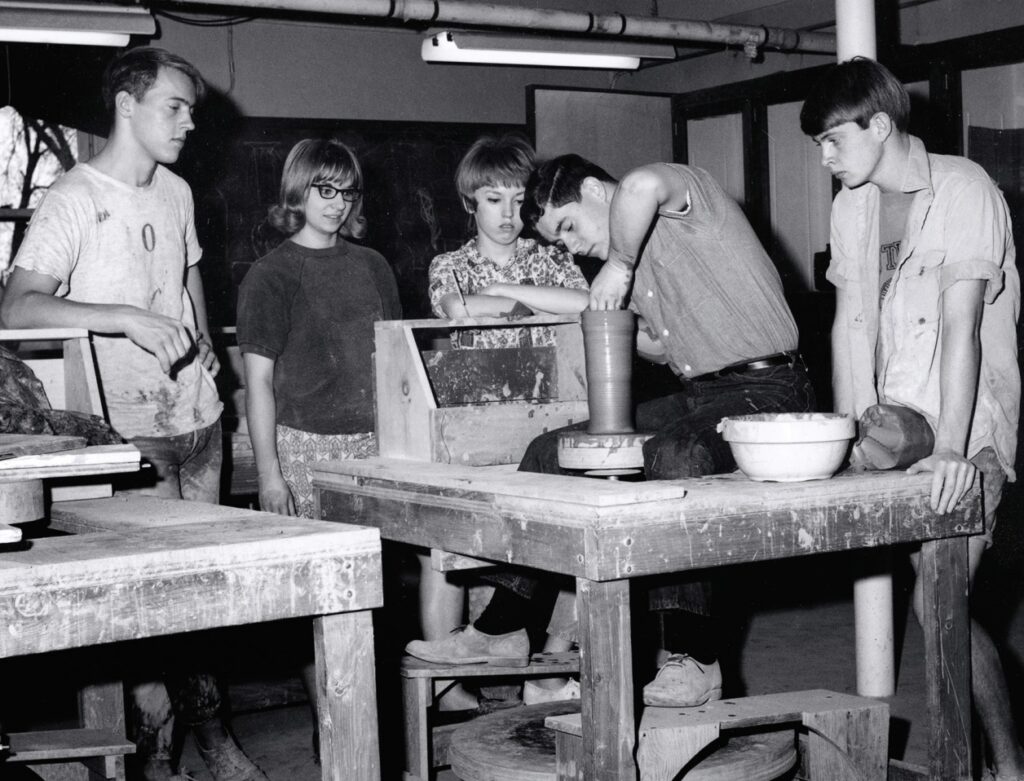
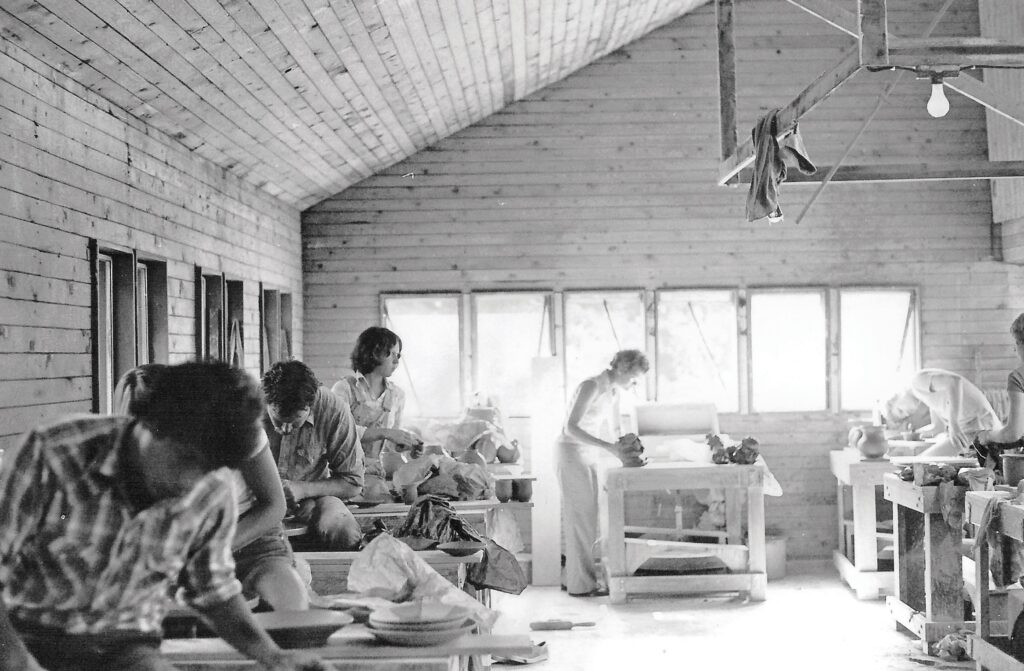
It started as a collective in Highlandville, Iowa, and included not just ceramics but also painting, poetry, wood carving, literature, music and ecological studies. Over time, it evolved, changed locations and eventually transitioned into a more residency-based model as running full workshops became too demanding for my grandparents.
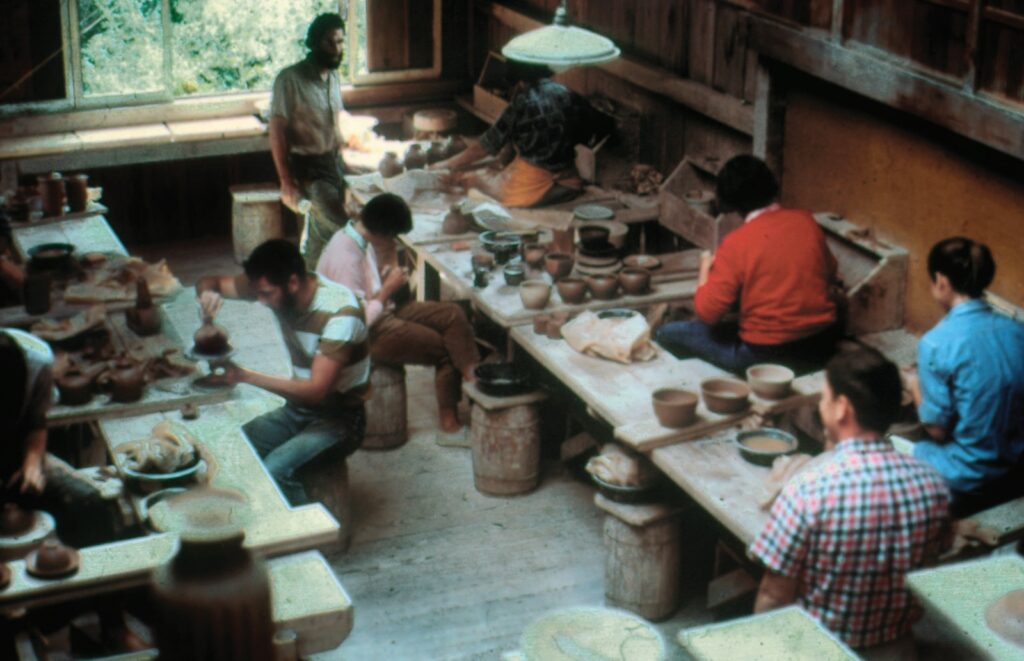
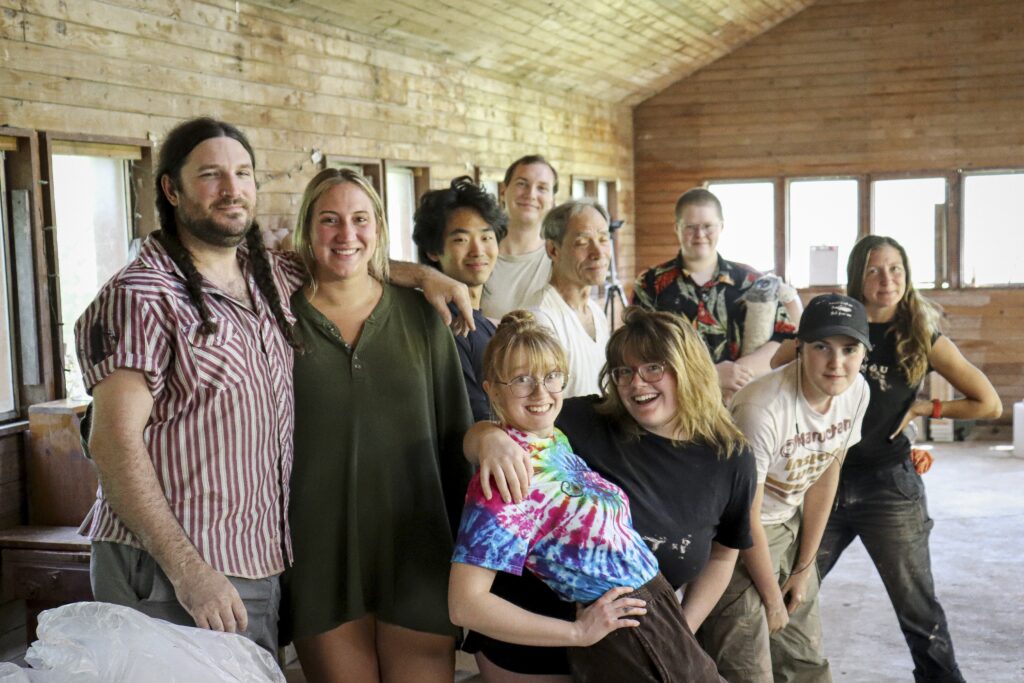
In 2020, my sisters and I – along with our father – revived the school. Our goal is to bring the legacy of Bauhaus ceramics and Marguerite’s teachings back into a contemporary educational practice. We have a strong board, including Brent Johnson and Phil Raskin, and we’ve welcomed some of Marguerite’s former students as guest instructors.

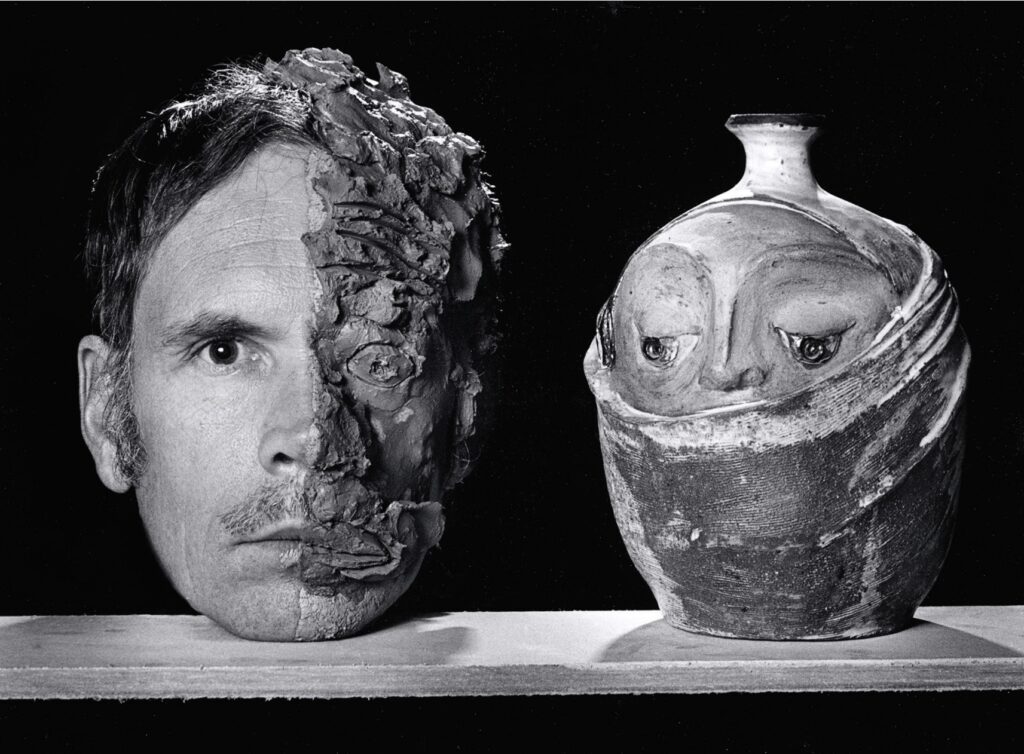
You’ve explained beautifully the legacy and context of your school. But why do you focus on pottery? In terms of artist training, what makes working with clay essential?
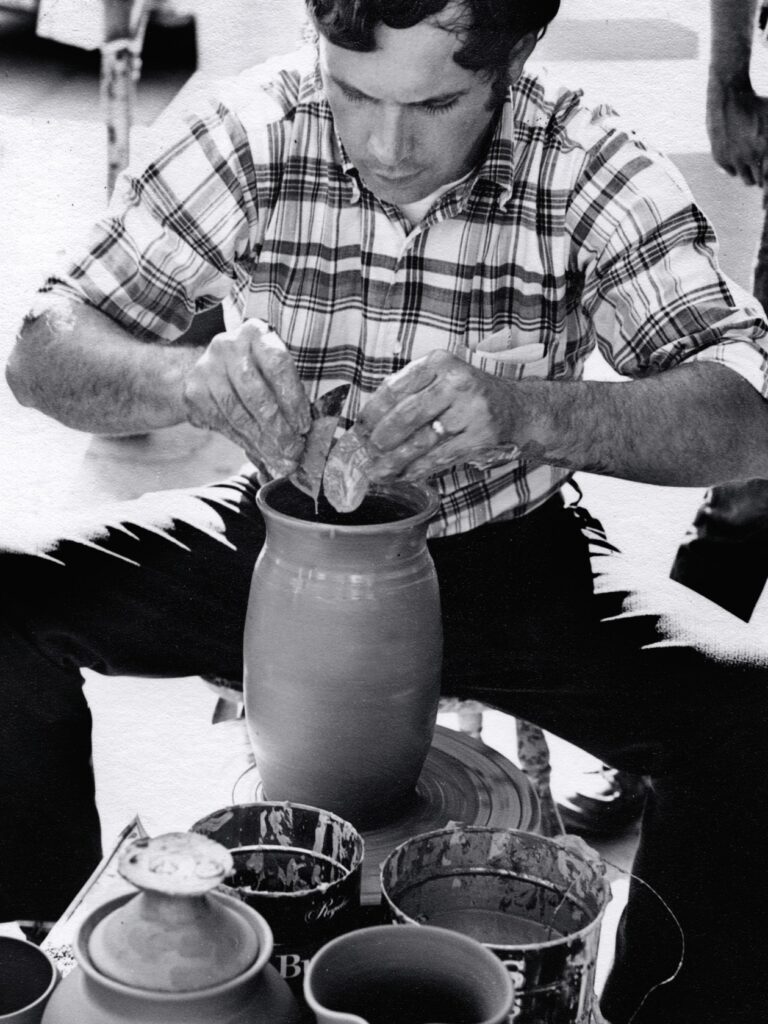
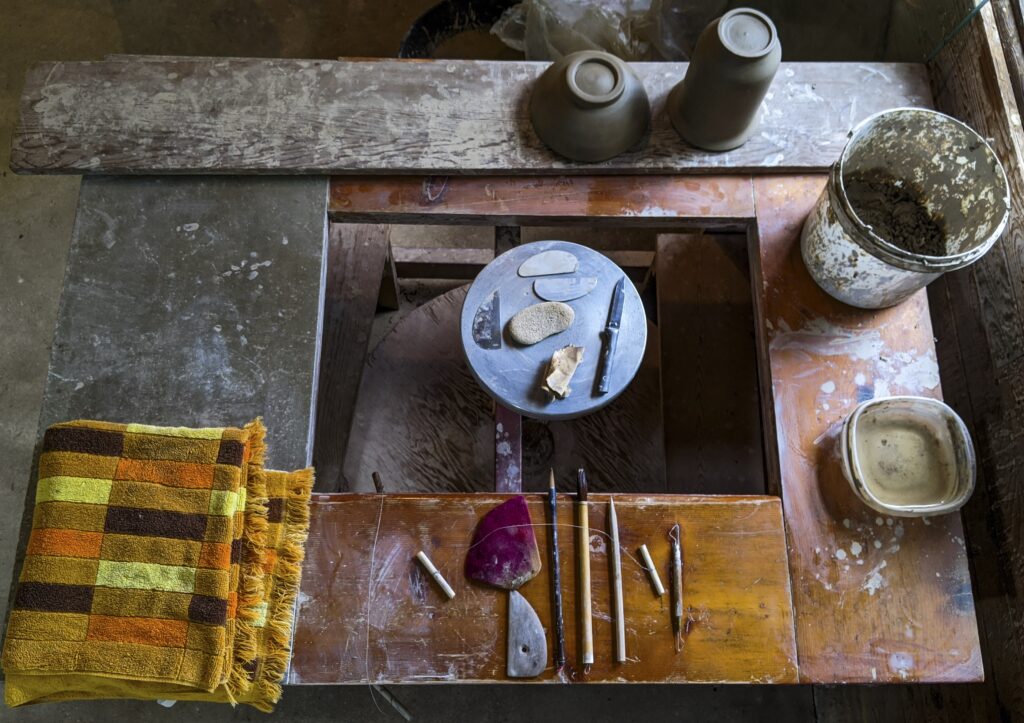
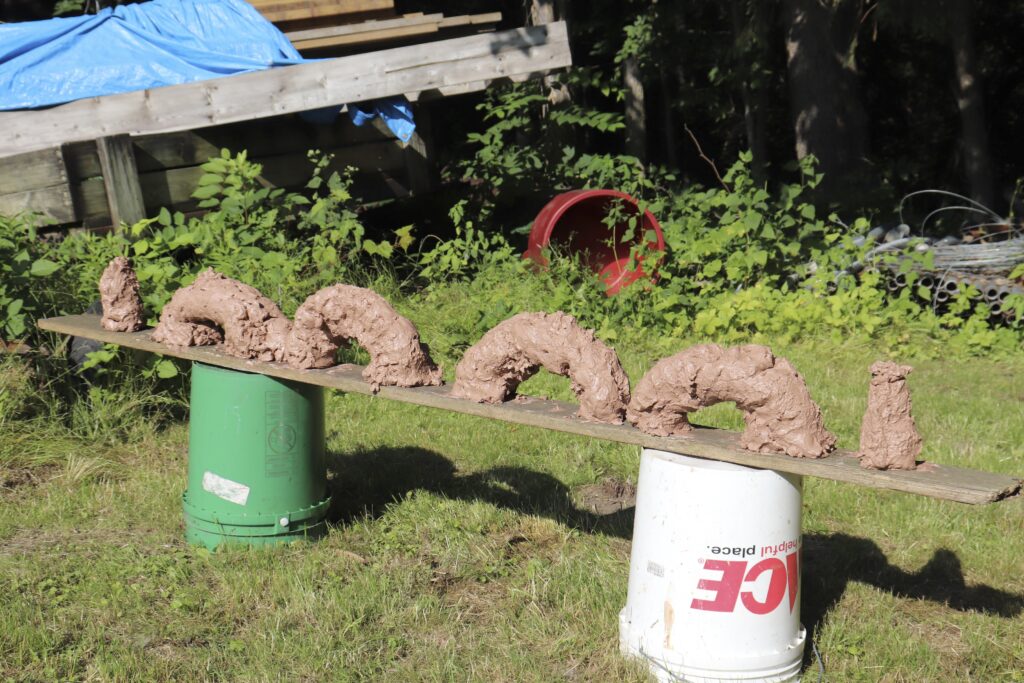
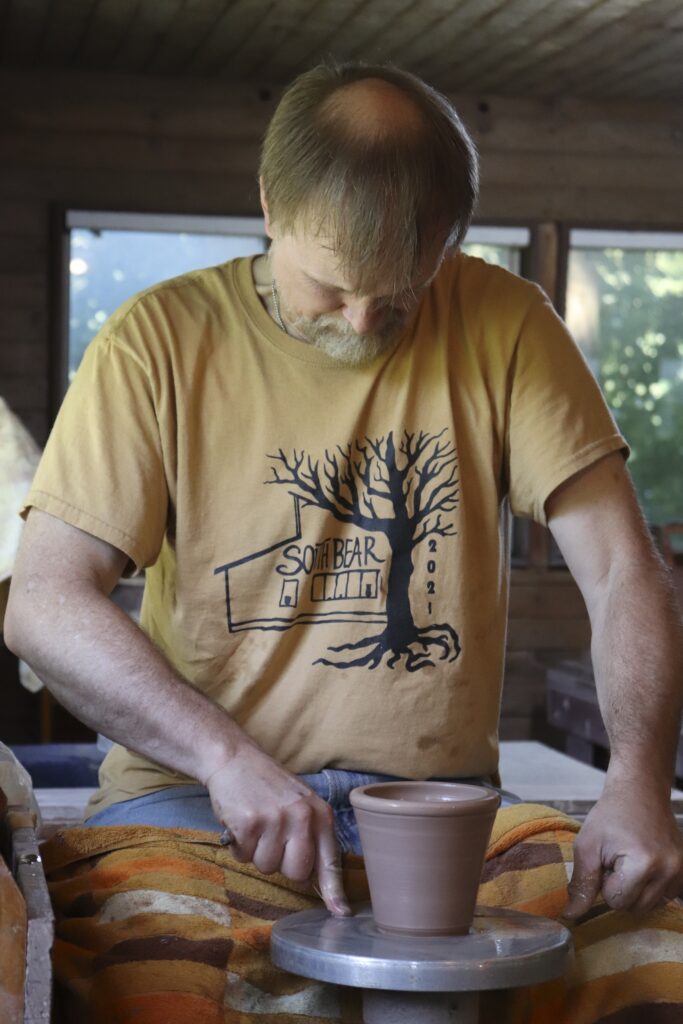
It’s an elegant, patient medium. Clay is infinitely recyclable. You can spend hours on a piece, drop it and start again. That adaptability teaches students to value the process over the product. Marguerite herself didn’t let students take pieces home – it was all about learning.
We emphasise the meditative aspects too. For instance, we had a meditation workshop recently that paralleled centring clay on the wheel with centring oneself emotionally. Ceramics teaches patience, awareness and deep self-reflection.
You touched on the topic of material knowledge. Your grandfather spoke about it, too. What does material knowledge mean to you in the context of pottery?
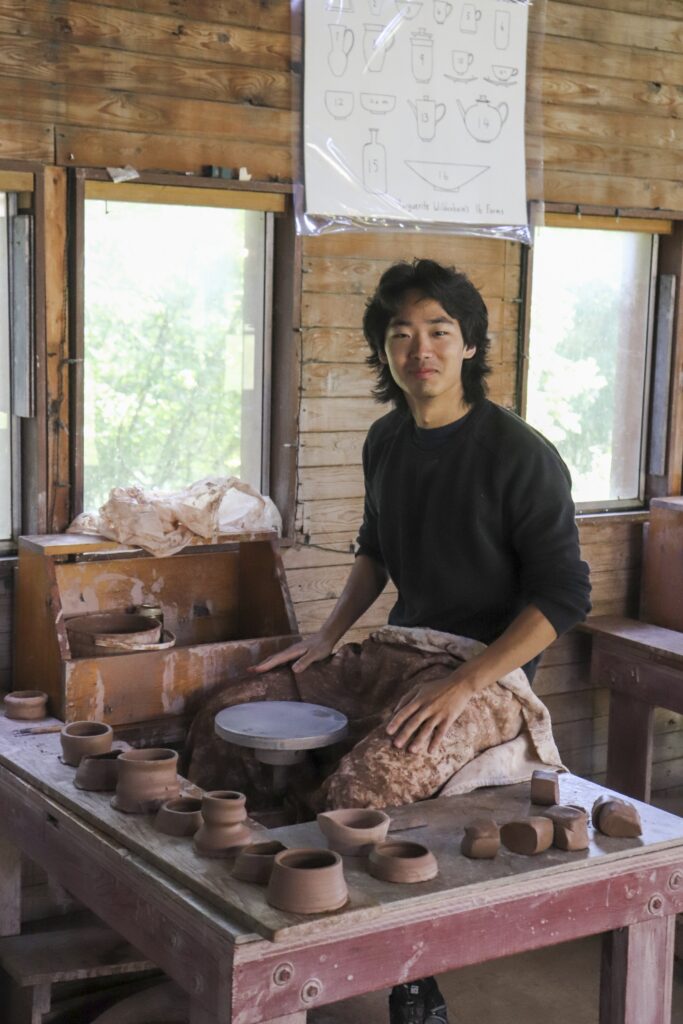
When you throw hundreds or thousands of pots, the process becomes your second nature. The clay becomes an extension of your hands. It’s no longer about thinking through every step – it becomes expressive, like speaking a language.
We ensure students wedge their own clay, reclaim it and stay with one clay batch to develop intimacy with the material. This process gives them a foundational, almost spiritual understanding of clay.
You’ve done historical research into the lineage from the Bauhaus pottery workshop in Dornburg and Weimar to studio pottery in the U.S. How has the concept of pottery evolved through the different phases?
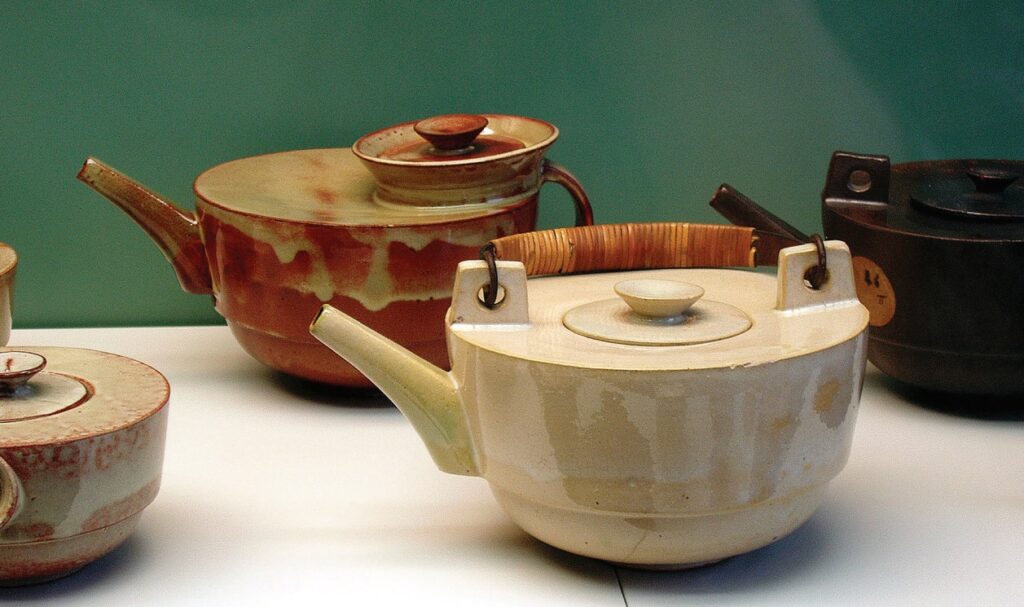
In Dornburg, where in 1920 Walter Gropius had established the only Bauhaus workshop outside of Weimar, they worked within the guild system as it had been established by ceramicist Max Krehan – craftspeople supplying the needs of whole communities. Marguerite was part of the shift toward industrial production, including her work with KPM (Königliche Porzellan-Manufaktur Berlin). But in the U.S., with her stay at Pond Farm, she turned away from mass production, reviving pottery as a personal, expressive art.
Studio pottery thrived post-WWII as more Americans accessed arts education. Marguerite inspired many to create art as livelihood and expression. But today, it’s more difficult – education is costly, and fewer people have the resources to dedicate to ceramics full-time.
At South Bear, we’ve had to adapt. Some students want immersive training; others come for shorter workshops. We’re embracing that range while still trying to preserve Marguerite’s rigorous teaching model.
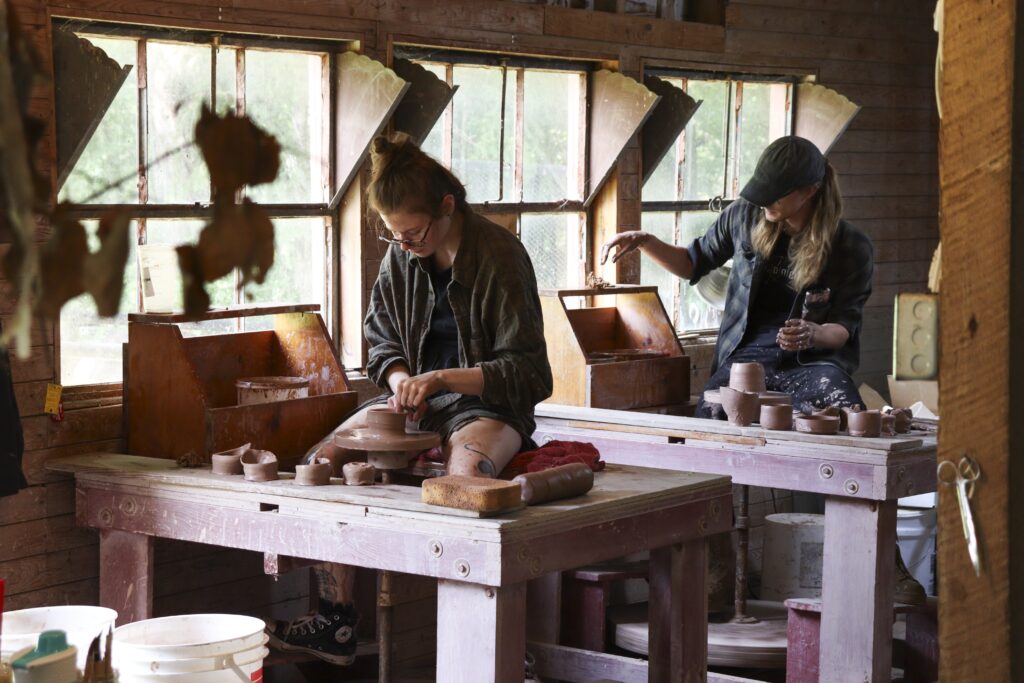

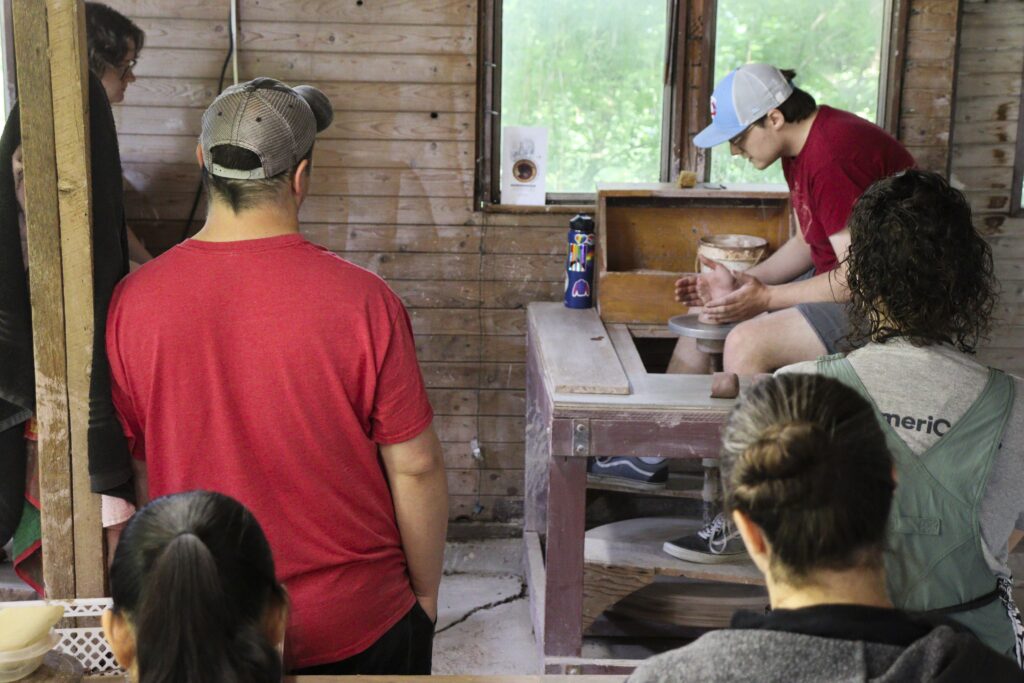
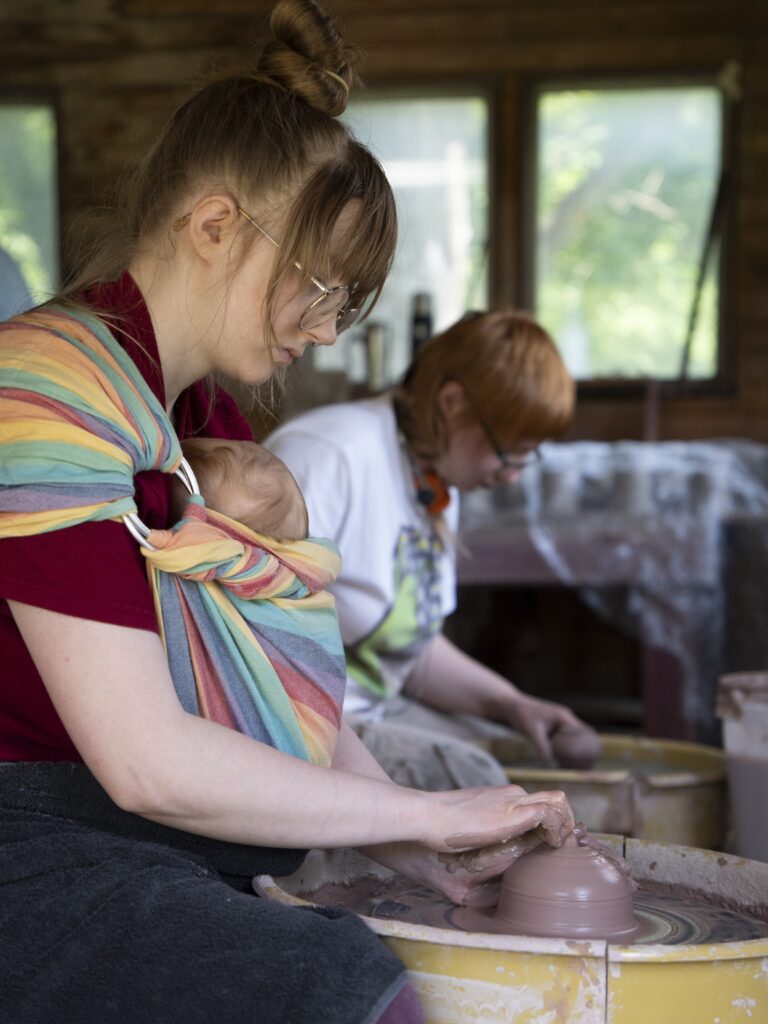
You’ve also hinted at a critique of mass consumerism inherent in studio pottery – handmade versus industrial. This reminds me of weaving, especially Annie Albers’s reflections on hand looms. Do you see South Bear as continuing this ethos of craft as resistance?
Absolutely. Everything here is handmade – from dinnerware to furniture. Eating off a bowl you made or your grandfather made changes your connection to the world around you. It creates a tighter-knit, more intentional community.
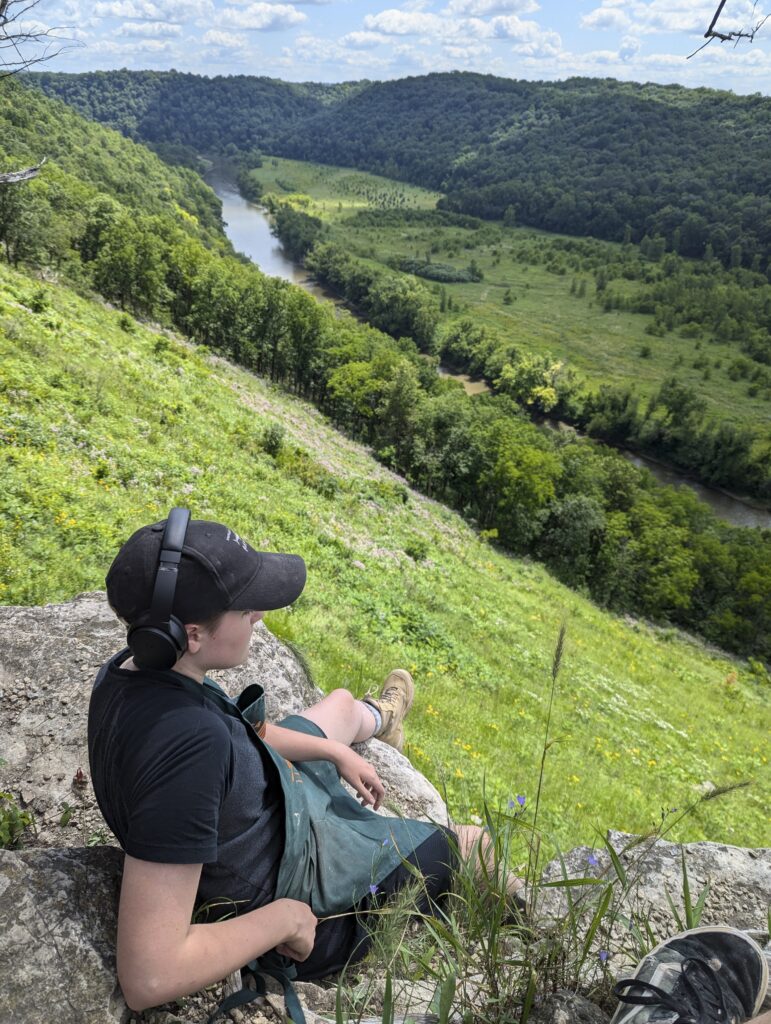
South Bear is about more than ceramics – it’s about ecological awareness too. We live in a unique valley that feels like a natural sanctuary. Students are taught to appreciate and protect this environment. Clay itself is earth; using it demands we stay connected to the source and be aware of our impact on it.
That holistic approach seems to combine material knowledge, ecological awareness and community living – a compelling model. Perhaps we can end on that note?
Yes, I think that captures the essence. This place and this practice are about more than making pots. They’re about preserving a way of being in the world – thoughtfully, creatively and with care for the materials and people around you. That’s what we’re trying to keep alive.
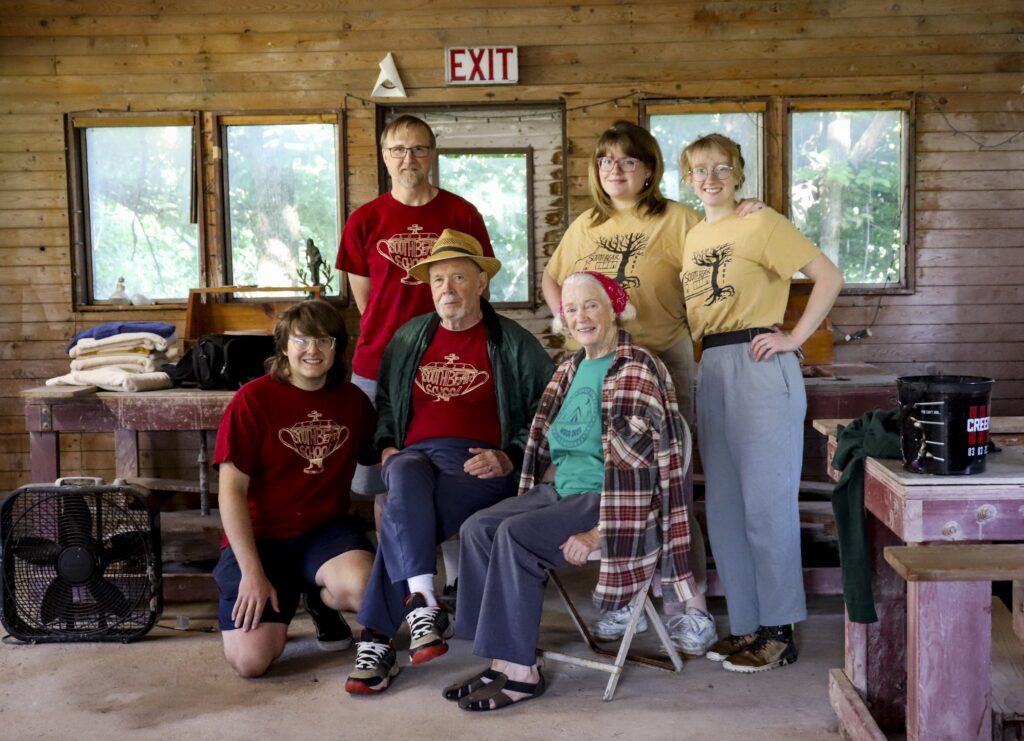
is a filmmaker and visual artist building community in the American Midwest. After studying ceramics under his grandfather Dean and father Lane, Will received a degree in Cinema and Screenwriting Arts from the University of Iowa in 2024. Will serves on the Board of Directors of South Bear School, an arts education non-profit which seeks to carry on the teachings of Marguerite Friedlaender-Wildenhain in the 21st century. Will’s debut narrative feature film was released in the fall of 2025, and he is currently producing a documentary film on the Bauhaus, Marguerite Friedlaender-Wildenhain and her legacy in ceramic art.